

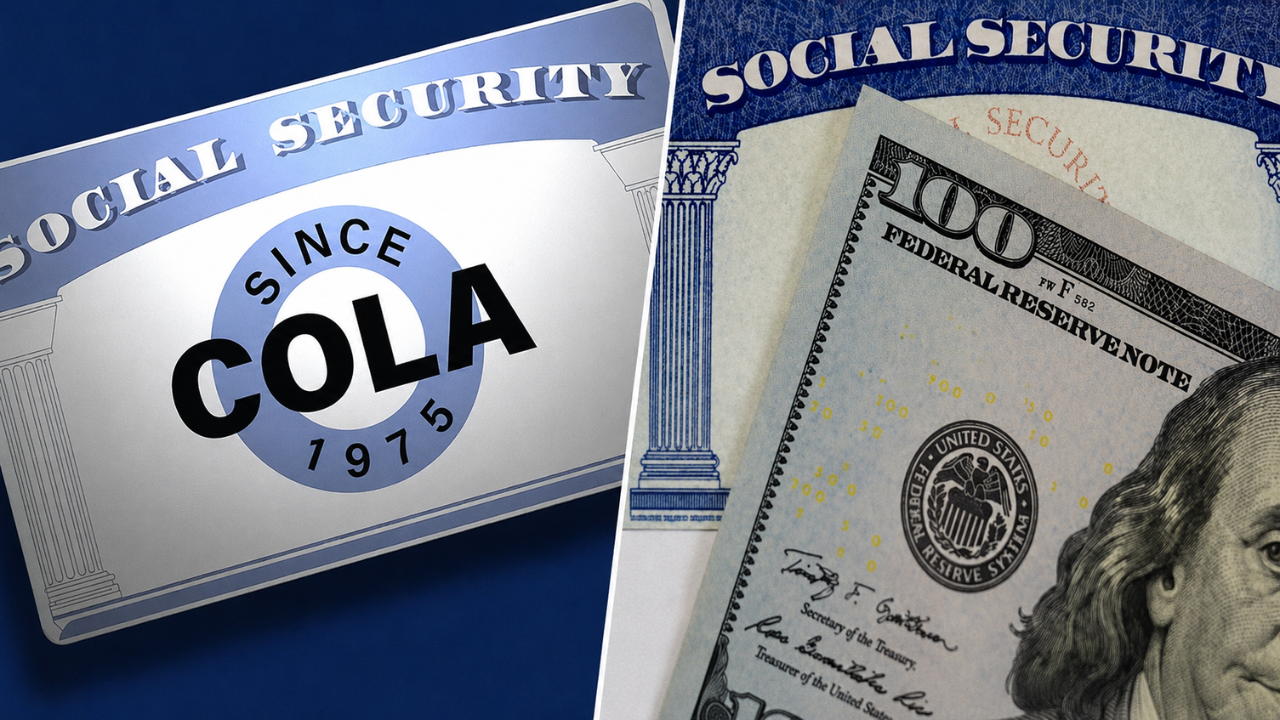
Social Security 2027 COLA – The projected Social Security cost-of-living adjustment for 2027 is trending lower as inflation cools, which is a mixed picture for retirees. A smaller increase in the COLA would be a sign of slower price growth across the U.S. economy, but it also could mean a more modest boost to monthly Social Security payments next year. The final adjustment, closely watched by millions of retirees still facing elevated prices for housing, food, insurance and health care, is based on inflation data through October 2023.
2027 COLA estimate moves down
Social Security benefits get adjusted annually to help recipients keep up with inflation.
When inflation speeds up, the annual COLA is usually higher. When inflation decelerates, the increase tends to be more moderate.
So a low 2027 estimate doesn’t necessarily mean bad economic news. It could instead point to price rises slowing compared to previous periods.
Final Increase Will Be Based on CPI-W
The official Social Security COLA is tied to the Consumer Price Index for Urban Wage Earners and Clerical Workers, or CPI-W.
The Social Security Administration compares average CPI-W levels from the third quarter of the current year with the same quarter of the prior year.
That formula also means that the final 2027 COLA can’t be known until the relevant inflation data for July, August and September 2026 is available.
Any number published before that date remains an estimate.
Forecasting with Cooling Inflation
If inflation continues to trend lower through late summer and early fall, the final adjustment may be smaller than previously anticipated.
That would mean a slower rise in consumer prices.
This is why the forecast can fluctuate wildly from one month to the next because financial analysts and senior advocacy groups often adjust their COLA estimates as new inflation reports become available.
Smaller COLA May Still Mean Bigger Checks
Even if the final COLA is positive, a lower percentage increase would translate into higher monthly benefits.
For example, retirees with higher monthly payments would receive a larger dollar increase than those with lower payments, even if all receive the same percentage increase.
The exact increase will vary based on each individual’s current benefit level and the final COLA percentage.
High Cost of Living Still Retired
Slower inflation does not mean prices have gone back to where they were years ago.
A lot of retirees are still paying high costs for food, rent, property taxes, utilities, insurance and medical care.
That’s an important distinction, because a smaller COLA can feel like a bummer even if inflation is technically getting better.
The adjustment is meant to compensate for changes in prices , not to make up for lost purchasing power during prior periods of high inflation .
Medicare Premiums May Offset Real Increase
Social Security recipients should also be watching Medicare costs.
Many beneficiaries have their Medicare Part B premiums deducted automatically from their monthly Social Security payment.
If those premiums rise substantially in 2027, they could eat into some of the COLA and reduce the net increase retirees actually get in their bank accounts.
Sources
- Cost of Living Adjustment (COLA) – Benefit Rules & Annual Adjustment Announcements
- U.S. Bureau of Labour Statistics – Inflation data used to calculate COLA (consumer inflation and CPI-W)
- The Senior Citizens League – Monthly Social Security COLA Estimates and Retiree Cost Analysis
- Centres for Medicare & Medicaid Services – Medicare premium and benefit information
- Federal Reserve – Inflation outlook, interest-rate policy and U.S. economic projections