

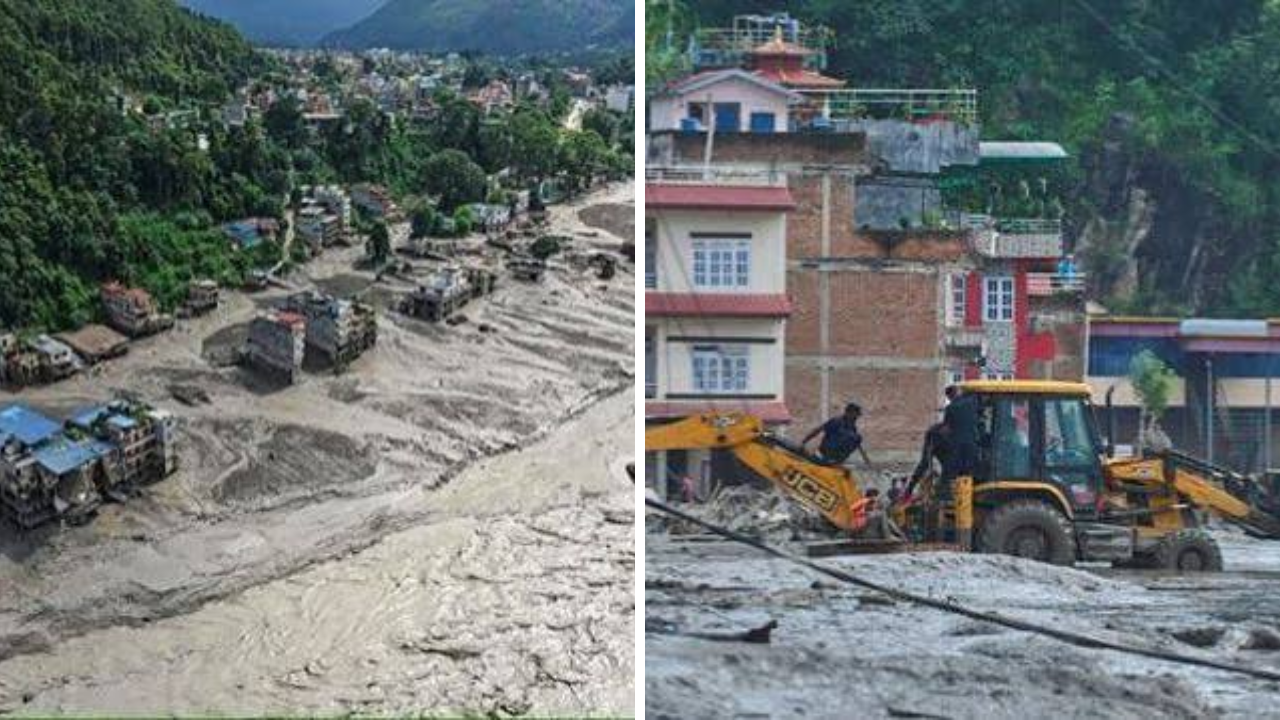
A large Nepal flash flood on Aug. 26 tore through valleys in northern Nepal and adjoining Tibet, unleashing a huge flow of water, mud, rocks and debris through the Himalayan border region. The disaster affected the Rasuwa area inside the Lhende Khola and Bhote Koshi river systems, destroying houses, roads, bridges and other infrastructure.
The extent of the floods was extraordinary. In certain places of the river system water levels climbed as much as nine metres in just over 30 minutes, leaving residents no time to run. Authorities are assessing vast destruction as rescuers continue to hunt for survivors.
Ice-Rock Avalanche Creates Surge
The major trigger was recognised as a large ice-rock avalanche from a piece of glacier and adjoining mountain debris. This fall sent a huge volume of ice and rock crashing into the valley below. The water was quickly pushed out, creating a violent debris flow.
The abrupt displacement caused some immediate confusion when seismic monitoring picked up a tremor which was initially thought to be a probable earthquake. Additional investigation showed that the signal was linked to the catastrophic landslide and collapse of the glacier, and not to a normal earthquake that caused the disaster.
How the Avalanche Turned into a Flash Flood
It can be especially damaging if an ice-rock avalanche enters a steep alpine watercourse. The falling material can quickly drive water downstream but also carries tremendous amounts of sediment, boulders and destroyed infrastructure.
In this example, the debris flowed into the Lhende Khola and other river systems before the ensuing surge began to flow towards populated areas. The flood was far more severe than a mere river overflow, due to the fast-moving water and heavy debris.
Satellite images since have indicated huge changes to parts of the landscape. Areas that once had roads, plants and buildings are now covered by sediment and trash.
Destruction of Villages and Infrastructure
The flood has caused widespread damage in northern Nepal and the Tibet border region. Roads and bridges were devastated by quickly flowing water and mud, and settlements and electricity infrastructure were submerged.
The disaster also impacted vital trade lines connecting Nepal with Tibet. The mud and debris flow that resulted impacted a major border crossing, Gyirong Port, adding to the difficulties for rescue and relief efforts.
Authorities have dispatched significant numbers of workers and are using helicopters and other emergency equipment to reach distant towns.
Why Himalayan Glaciers Are Becoming a Worrying Issue
The calamity underlines the growing vulnerability of the Himalayas to glacier-related dangers, scientists warn. Higher temperatures are helping to shrink glaciers and reshape frozen mountain landscapes, though researchers say they need to examine this particular collapse more to know just how much of an impact climate change had.
Thousands of glaciers in the Hindu Kush Himalayas provide vital water sources to major Asian river systems. The changing conditions of mountain ice and permafrost has experts increasingly on the lookout for the likelihood of unexpected collapses, landslides and glacial lake outburst floods.
Big Challenges in Rescue Missions
Damaged roads, wrecked bridges, unstable terrain and ongoing threats along the rivers are hampering rescue attempts. Authorities also are watching for blocked waterways, and new or increasing water bodies that could mean further flooding downstream.
The humanitarian impact extends beyond Nepali communities. The accident struck when foreign visitors, pilgrims and labourers were in the afflicted region, and people from several nations are among those reported missing. Emergency authorities continue identification, evacuation and search efforts.
Sources
- Reuters – An ice-rock avalanche and glacial collapse precipitated the disastrous deluge along the Nepal-Tibet border.
- Associated Press – Explained the unexpected flood from the glacier fall and highlighted mounting hazards of Himalayan glaciers.
- The Guardian – Reported on glacier disintegration, ice-rock debris flow and rapid rise in river levels
- Al Jazeera – Satellite evidence of destruction from collapsing Himalayan glacier reported.
- Washington Post – Covered the first avalanche and deadly flooding on the Nepal-China border.
Please Visit us: Techscar