

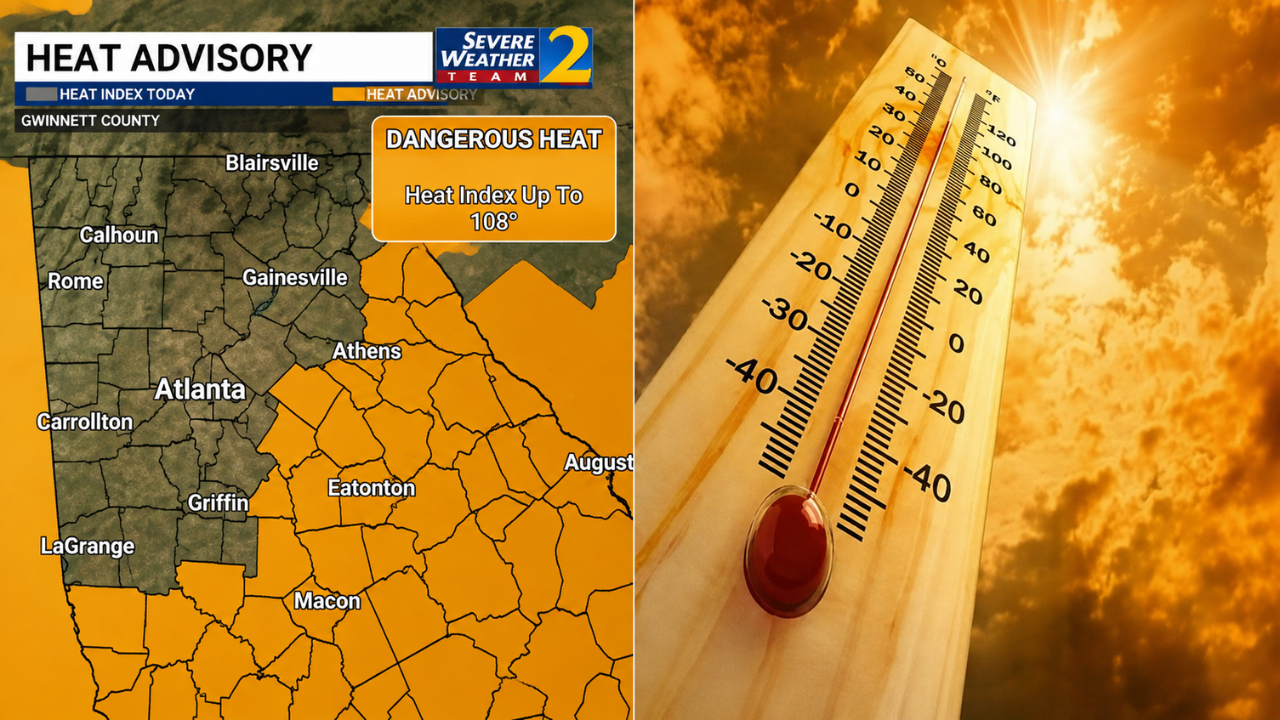
Dangerous Heat Returns to parts of the United States, with a Heat Advisory in effect across multiple counties, raising concerns over heat exhaustion, dehydration and other heat-related illnesses. Residents in the affected areas are asked to limit strenuous outdoor activities, stay hydrated and check on vulnerable family members and neighbours. Which advisory area and when can change as the weather pattern changes — so local official forecasts are especially important.
Heat Advisory Equals Higher Health Risk
When a combination of high temperature and humidity is forecast to create conditions that are dangerous to the health of the public, a Heat Advisory is issued.
That’s because when it’s humid, it makes it more difficult for your body to cool itself off through sweat. The heat index can make the air feel much hotter than it is.
People most at risk include those who work outdoors, the elderly, young children and those without reliable air conditioning.
Dangerous Conditions Across Counties
The advisory covers several counties, reportedly, indicating that the heat episode is affecting a large area and not just one community.
Temperatures will vary from county to county, but even a few degrees lower can become dangerous when combined with high humidity.
Residents are encouraged to consult with their local National Weather Service office for specific advisory boundaries and forecast peak heat-index values.
Heat Exhaustion Can Occur Quickly
Heat exhaustion is one of the most common dangers associated with extreme summer weather.
Symptoms can include heavy sweating, weakness, dizziness, headache, nausea and a rapid pulse.
If you experience any of these symptoms, go to a cooler location, hydrate with water, and seek medical attention if symptoms worsen.
Heat stroke is more serious and can be life threatening especially if a person becomes confused, loses consciousness or develops an extremely high body temperature.
Higher Risk for Outdoor Workers
Those in construction, landscaping, delivery services, agriculture and other outdoor jobs could be exposed for extended periods during the hottest hours of the day.
Frequent rest breaks, shade, hydration and adjusted schedules should be used by employers and workers when possible.
New workers or workers who have not been exposed to high heat recently can be especially vulnerable because their bodies may not have acclimated yet.
Cars Can Become Dangerous in Minutes
Hot vehicles are still a big safety issue in heat waves.
Even if it doesn’t feel very hot outside, it can get extremely hot inside a parked car.
Never leave children, pets or vulnerable adults in an unattended vehicle, not even for a few minutes.
Also, drivers should check the back seat before locking the car.
Air Conditioning Becomes a Necessity
Cooling centres, libraries, malls and other public indoor spaces offer relief for those without air conditioning.
Fans can make you feel more comfortable but they may not be enough in extreme heat especially when temperatures inside the building are very high.
Residents also should close curtains or blinds during the hottest part of the day and avoid using appliances that create unnecessary indoor heat.
Hydration is the key.
The easiest way to reduce heat-related risk is to drink water regularly.
People should not wait until they are very thirsty to drink fluids, especially when they are outdoors.
In some situations, alcohol and high doses of caffeine can be dehydrating, so water or drinks that contain electrolytes may be better choices for prolonged exposure to heat.
Sources
National Weather Service – Official Heat Advisories, warnings, local forecasts and heat-index guidance
NOAA – Heat safety, weather outlooks, and extreme-heat resources
Centres for Disease Control and Prevention – Symptoms of heat-related illness and prevention
OSHA – Guidance for employers and outdoor workers on heat safety at work
Ready.gov – Federal Extreme Heat Preparedness and Emergency Safety Guidance