

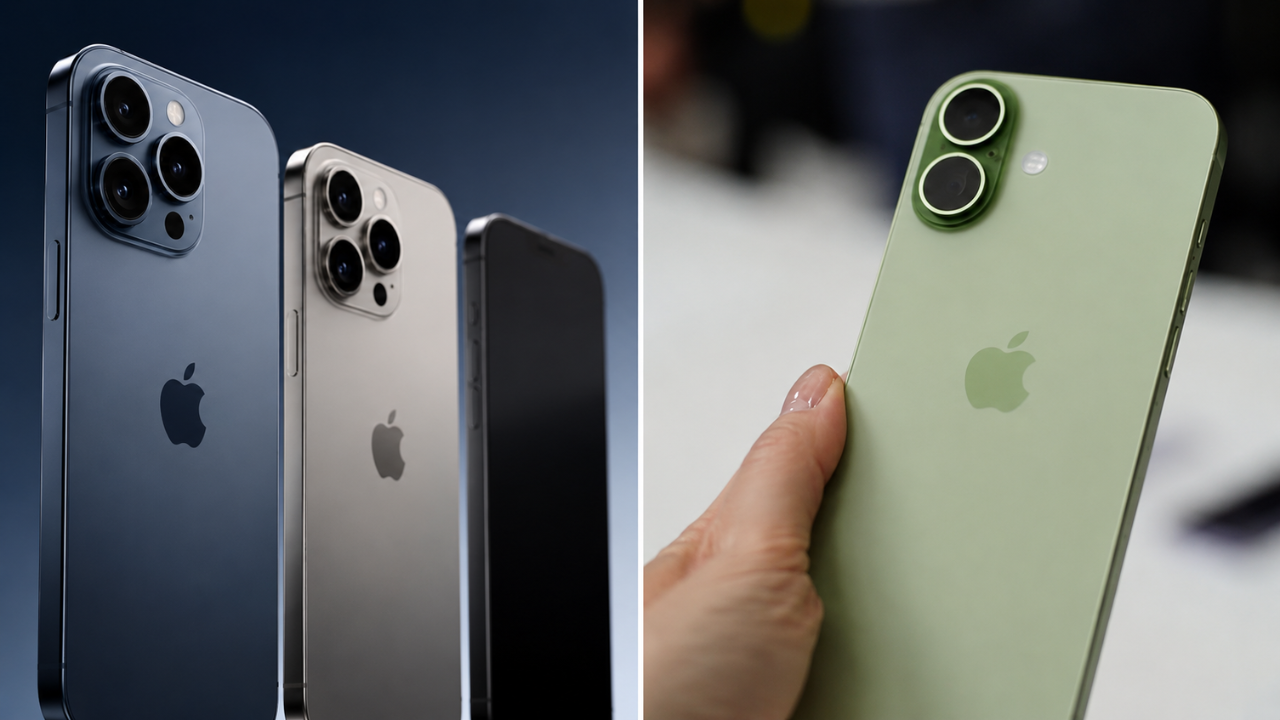
A major change in Apple’s iPhone 18 release strategy may be in the offing, with the standard iPhone 18 possibly being delayed to 2027, while premium models are likely to be released earlier in the fall. The reported shift would be a sharp departure from Apple’s traditional strategy of launching most of its flagship iPhones together. Should the plan proceed, buyers could see a more segmented release cycle, with an emphasis on Pro models and other high-end devices in the company’s biggest annual launch window.
Apple May Alter Its Usual iPhone Launch Strategy
Apple has played a pretty predictable game with iPhone launches for years. Generally, it announces multiple models at the same time during a big fall event.
A delayed standard iPhone 18 would alter that formula.
Instead of unveiling the entire lineup at once, Apple could stagger premium and mainstream models over different time periods. That could enable the company to more efficiently target its marketing, supply and production resources to its costliest devices first.
This strategy would also give Apple more flexibility with demand and component availability.
Premium iPhone 18 Models May Be First to Debut
Reports have suggested Apple could focus on higher-end models for the fall launch window.
Premium iPhones tend to have higher margins and attract early adopters who want to pay a premium for better cameras, displays, chips and materials.
Apple could be first with these devices to get the most attention during its most important sales period of the year.
Standard iPhone 18 Could Arrive in 2027
The biggest change could be a delay to the normal iPhone 18.
If Apple drags the standard model into 2027, those who normally upgrade to the base iPhone might have to wait longer than they anticipated.
Consumers may be faced with a more difficult buying decision. Some will go for a premium model, some will keep an older iPhone, some will buy a discounted previous generation device.
Timing could also be a factor in carrier promotions and trade-in offers.
Apple Could Gain From A Split Release Cycle
There can be many advantages to a staggered launch strategy.
Apple could also spread out manufacturing demand over a longer period of time, reducing the pressure on suppliers during the fall season. It could also give each model more visibility than having a few new iPhones all vying for attention at once.
From a marketing standpoint, Apple would have two big iPhone sales moments, not one.
That could help to sustain demand for longer in the year.
Supply Chain Planning May Be Part of the ReasonWhy
Advanced processors, displays, camera sensors, memory and other speciality components in modern iPhones rely on sophisticated global supply chains.
If Apple is planning for large scale hardware changes a phased launch could make the production easier to handle.
The premium versions are often outfitted with more advanced parts which could face other supply constraints compared with the standard variants.
Staggered release schedules could help Apple maintain availability and avoid launch shortages.
Buyers may have to make tougher upgrade decisions
The new approach could make it more difficult for consumers to upgrade their iPhones.
Someone planning to buy a standard iPhone 18 this fall might have to decide between waiting several more months or buying a more expensive model.
That could push some buyers to the Pro lineup, especially if Apple introduces significant design or performance upgrades.
Others may simply opt for a lower priced iPhone 17 model
Sources
- Apple – Official iPhone announcements, launch events and product information
- Apple Newsroom – Hardware Announcements and Release Dates
- Bloomberg Reporting – Apple Supply Chain, Product Strategy
- MacRumors – iPhone launch details, production updates & Apple hardware coverage
- TechRepublic – Covering the potential iPhone 18 delay and premium-first launch approach