

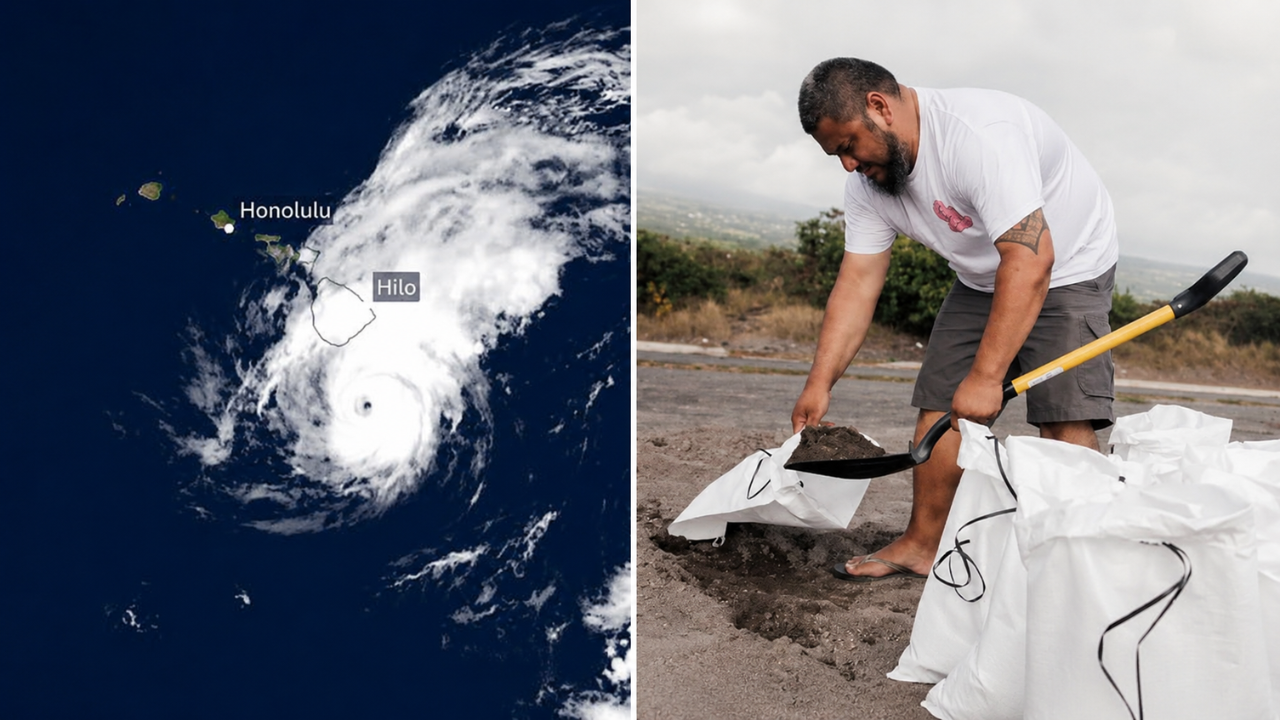
Hawaii is bracing for a potentially dangerous weather event as Storm Lala is reportedly heading for the islands with the possibility of delivering the state’s first direct hurricane hit in 34 years. The developing situation has prompted concerns over damaging winds, heavy rain, flash flooding, coastal impacts, power outages and travel disruption. Residents and visitors are being urged to watch the official forecasts closely as even slight shifts in the storm’s path could make a huge difference to which islands get the worst of the weather.
Rare direct hurricane threat to Hawaii
Compared with other parts of the United States, Hawaii seldom takes a direct hit from a hurricane.
Tropical storms and hurricanes frequently pass near the islands, but the particular mix of ocean conditions, prevailing winds and geography often makes a system weaken or change direction before reaching land.
That rarity is one reason why Storm Lala is garnering so much attention. A direct hit could bring conditions that many residents haven’t seen in decades.
Storm Track Legend
The precise track of the storm will be the main factor in the level of danger.
A small shift north, south, east or west can change which communities feel the strongest winds and heaviest rain.
Meteorologists will continue to narrow down the storm’s forecasted path using satellite data, aircraft observations, ocean measurements and forecast models.
People should not look at an early forecast and assume it is the final outcome when a tropical system is still days away from its possible effect.
Heavy Rain Possible Flash Flooding
In Hawaii’s mountainous terrain tropical rainfall can be particularly dangerous.
When moist air is pushed up over mountains, it can bring heavy rain in localised areas, increasing the risk of flash floods, overflowing streams, landslides and road closures.
If the storm is slow moving or has a large amount of tropical moisture, low-lying communities and valleys could be particularly vulnerable.
Even if the strongest winds stay off-shore, flooding can still be a serious threat.
Coastal Areas: Dangerous Conditions Possible
Large waves and storm surge can be hazards along the coast of Hawaii.
Strong winds can cause water to pile up towards the shore and lead to flooding or erosion in coastal harbours, roads, beaches and low-lying communities.
Surf and rip current danger can also be present far in advance of the hurricane centre reaching the islands.
Local authorities have closed beaches and issued marine warnings and both residents and tourists should observe them.
Possible Power Failures And Damage To Infrastructure
Trees, power lines, roofs and communications systems can be damaged by strong hurricane force winds.
High winds can damage power lines . Mountainous terrain and isolated communities can make repairs more difficult .
Utilities typically preposition crews and emergency equipment ahead of tropical systems, but extensive damage can lead to long outages.
Check backup plans ahead for residents who rely on electrically operated medical equipment.
Hawaii Travel May Be Interrupted
Airports, airlines, cruise operators and local transportation services could alter schedules as the storm approaches.
Operations can be delayed or cancelled when it’s unsafe to fly due to winds, lightning or heavy rain.
Visitors are encouraged to check directly with airlines and hotels, as social media updates should not be the sole source of information.
Highways may also be difficult to navigate because of flooding or fallen trees.
Residents Encouraged to Prepare Early
Emergency officials usually tell people to finish hurricane preparations before conditions start to worsen.
Households should ensure they have sufficient food, water, medicine, batteries, charging devices and other essentials.
Waiting until the last possible hours before impact can lead to shortages and unnecessary travel during dangerous weather.
This is especially true in communities with limited access to stores or emergency services. Preparation.
Sources
- BBC News – Reporting on Storm Lala and Hawaii’s potential direct hurricane threat
- Central Pacific Hurricane Centre – Tropical cyclone advisories and tracking
- National Weather Service – Honolulu Local warnings, rainfall forecasts and severe weather information
- Hawaii Emergency Management Agency – State of Hawaii emergency preparedness and info
- NOAA – Hurricane science, tropical weather tracking and public safety information