

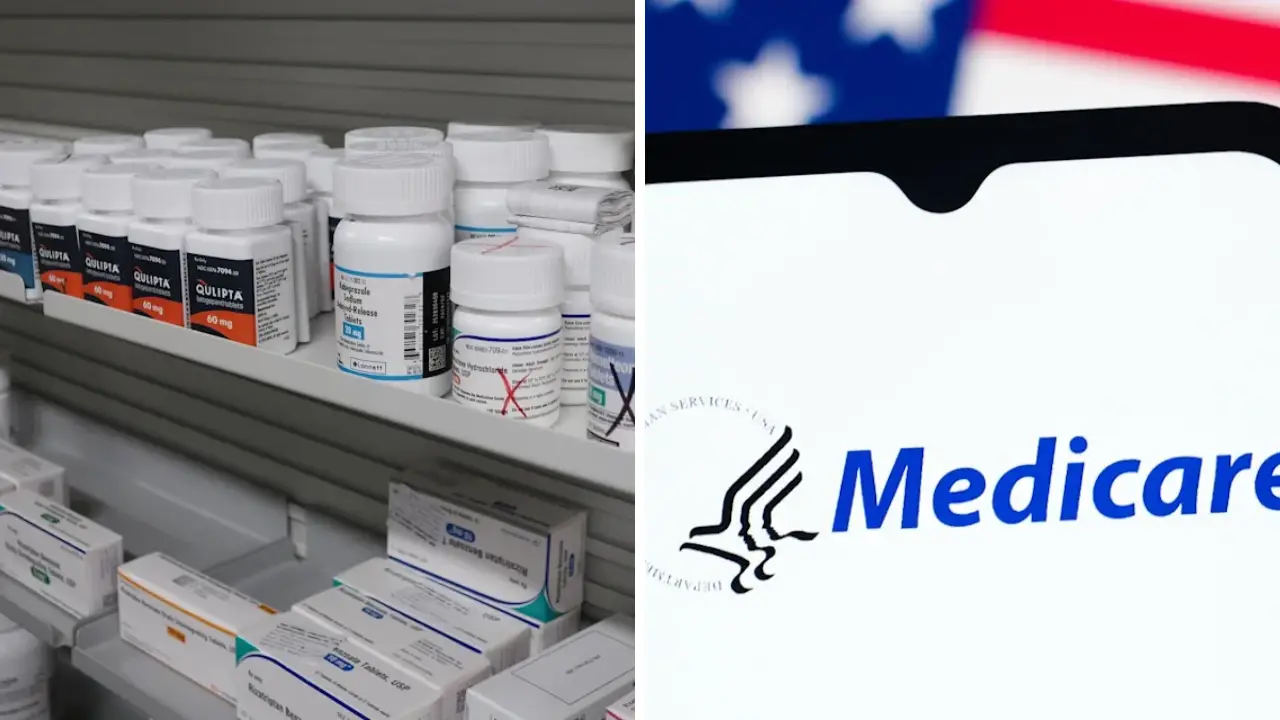
Healthcare advocates are reportedly fighting hard against a Trump Administration Moves to End Medicare Part D Subsidy Program that has helped stabilise prescription drug coverage for millions of Americans. The ruling is being debated by patient groups, insurers, health care providers and policy makers, with supporters and critics offering sharply different perspectives on how the change could impact beneficiaries and the broader Medicare system.
The proposal, if approved, would be another major shift in federal health care policy. If there were any changes to Medicare Part D, they would likely need to go through the proper regulatory processes, and the final decision may be made by future administrative action or lawsuits.
Importance of the Medicare Part D Subsidy Programme
Medicare Part D offers private insurance plans, approved by the federal government, to help eligible beneficiaries pay for prescription drugs.
The subsidy programme reported was intended to offer financial assistance to assist participating insurers in managing increasing prescription drug costs and to limit premium increases for enrollees. The programme has aimed to stabilise the market and maintain plan availability while tempering abrupt cost increases for Medicare beneficiaries.
This kind of change to this type of financial assistance could affect how insurers price and administer their prescription drug plans.
Healthcare Advocates Seek Changes
Patient advocacy groups and healthcare organisations have criticised the proposed move, saying that removing the subsidy could put financial pressure on older Americans and people with disabilities who rely on Medicare Part D coverage, the report said.
Advocates worry the drop in funding from insurers could eventually result in higher premiums, changes in plan options or higher out-of-pocket costs for some beneficiaries. And they say it’s still important to make sure that people with chronic medical conditions can get prescription drugs at affordable prices.
As more policy details emerge, many organisations will likely be looking at the proposal.
Administration’s Stated Policy Goals
Supporters of the reported decision say ending the subsidy programme could aid efforts to reign in federal spending and move towards a more market-oriented approach to prescription drug coverage.
Administration officials have said a review of temporary support programmes is part of broader efforts to increase efficiency and reassess government spending. Officials could say that insurers can reach the final policy without ongoing federal support.
Further details on the administration’s full rationale and implementation schedule will be set out in official guidance and regulatory documents.
Potential Implications for Medicare Beneficiaries
It’s unclear how Medicare beneficiaries would be affected by the reported policy change, depending on how insurers respond.
Some plans may alter their premiums, deductibles or benefit designs, while others may offer comparable coverage levels given competitive market conditions. The real impact would likely depend on factors like location, insurer participation, prescription drug use, and individual plan choices.
Medicare beneficiaries should review future Medicare communications carefully before making coverage decisions during open enrolment.
The insurers and policy makers will be watching carefully
Health insurers that provide Medicare Part D will likely weigh the financial implications of any policy changes.
Industry analysts will likely be watching to see whether insurers respond to the new regulations by changing pricing strategies, changing participation in plans or creating new benefit designs. Members of Congress, health care groups and policy experts also may continue to debate the long-term effects on federal spending and on patients’ access to medications.
Additional administrative guidance may affect the practical implementation of the reported proposal.
Sources
- Centres for Medicare & Medicaid Services – Official Medicare Part D Programme information, regulations and beneficiary guidance
- U.S. Department of Health and Human Services – Federal health policy announcements and regulatory updates.
- Medicare.gov – The official U.S. government site for Medicare. Includes information about Medicare Part D plans, enrolment and prescription drug coverage.
- Reuters – Reporting on U.S. health-care policy and federal regulation.
- AP News – Coverage of Medicare, health care legislation and government policy.
- Kaiser Family Foundation – Independent analysis of U.S. health care programmes, Medicare and prescription drug policy