
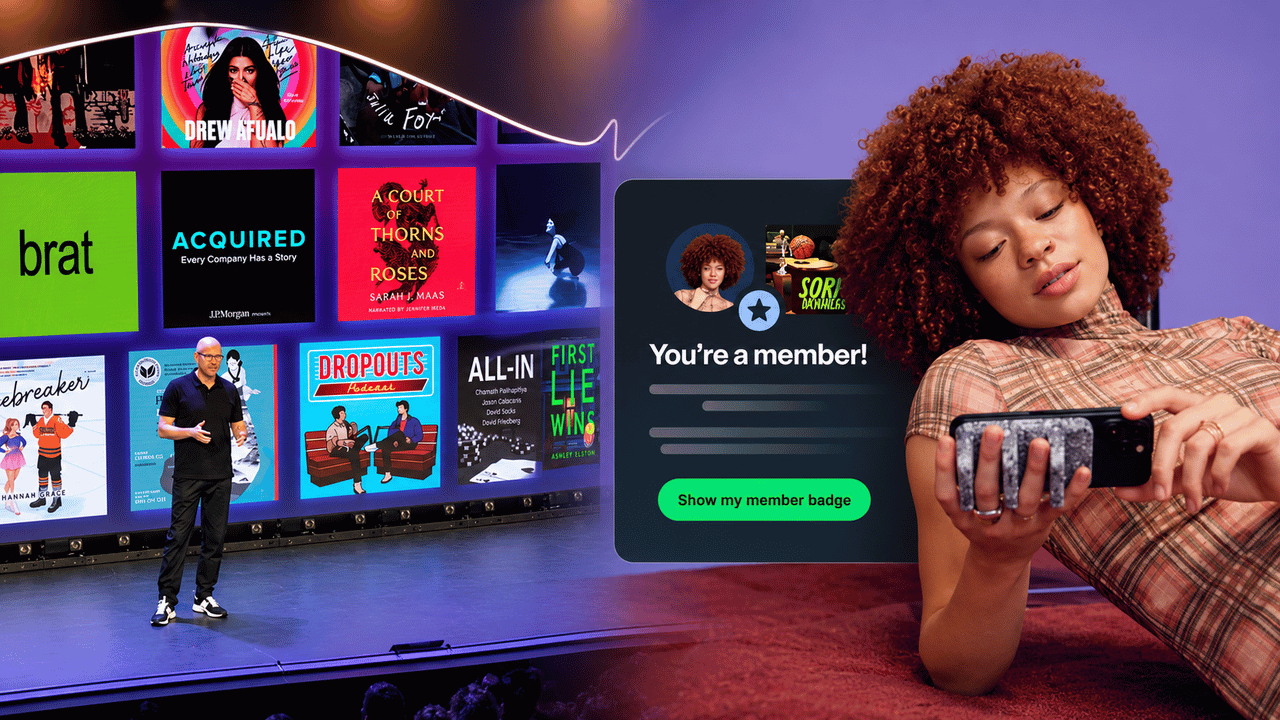
Spotify is expanding the options available to podcast makers with the addition of paid podcast subscriptions, providing publishers with an additional method to monetize their audiences. The move is part of a bigger trend in digital media as artists search beyond advertising for sustainable business models around their work.
Subscriptions can give podcasters a direct financial relationship with listeners who respect their work. Instead of relying solely on ad rates, sponsorships or the ups and downs of audience size, creators now have the option for recurring income through exclusive episodes, bonus content and other perks for subscribers.
The development also important for listeners, who are getting more options to support their favourite shows while receiving access to content that may not be available to everyone. Subscription pricing, creative eligibility, audience demand and the value behind the barrier will determine the success of this strategy.
How Spotify’s Paid Podcast Subscriptions Work
Paid podcast subscriptions enable artists to charge listeners for access to some podcast content. This can include subscriber-only episodes, bonus recordings, extra commentary, or other special content, depending on the programme and how the author has it set up.
The model is unlike standard podcast advertising. In an advertising sponsored setup, creators typically generate cash from ads running throughout episodes or via sponsorship deals with brands. Listeners become the direct source of money and pay to access material through premium subscriptions.
Spotify has also previously offered podcast subscription and monetization capabilities, such as subscription tools launched in 2021. So paid podcast subscriptions aren’t exactly a new idea for the platform. How important this new development is depends on what the precise updates are — more availability, better creation tools, or more potential for income.
For anyone interested in using the feature, check Spotify for Creators for the latest requirements. Programme eligibility, supported markets, pricing arrangements and available subscription alternatives vary every programme and are subject to change.
Why Spotify Is Giving Podcasters More Ways to Earn Money
Podcasting has become a competitive digital media market in which independent creators, established publishers, celebrities, and media companies all compete for listeners. Getting a large audience is only part of having a successful podcast. Creators also need a solid strategy to fund the costs of creation and to make money from their work.
Although advertising is still a source of income, not all shows produce the same financial outcomes from advertising. How much can I make ? How much you make may vary based on your audience size , what kind of demographics you have , how much advertising is in demand , how often you publish episodes , and what kind of sponsorships you get .
Subscriptions are another possible source of revenue. So someone with a smaller but more engaged following might be able to earn a decent amount of money if enough of their listeners are prepared to pay for more content .
More subscription options makes the platform more appealing to creators looking to build a business around their shows on Spotify. It also supports a larger strategy where podcasts are not only audio shows fighting for attention, but content businesses with a variety of sources of income.
How Paid Subscriptions Can Help Podcast Creators
The biggest benefit of subscriptions is that listeners can generate ongoing revenue straight from them. But subscription payments can go on as long as listeners are subscribers and creators are providing value.
Imagine a hypothetical podcast with 1,000 paid subscribers, each paying $5 per month. That would earn $5,000 in gross monthly subscription revenue before any applicable platform fees, taxes, refunds and other expenses. This is a hypothetical computation, not a prediction of what creators would make from Spotify.
This instance shows why subscriptions can be appealing even for creators who don’t have millions of listeners. Sometimes a committed audience is better than a much larger audience that is not engaged.
Subscriptions also allow creators to try out different kinds of material. For example, a weekly interview podcast may put out the standard episodes publicly, but offer expanded interviews or behind-the-scenes conversations to paying subscribers.
Educational podcasts could give detailed courses, supplementary resources or specialist conversations. Independent journalists may add commentary and entertainment writers may add episodes or conversations only available to listeners.
The best strategy will rely on the podcast’s topic, what the listeners want, and what the producer can do to produce more content without affecting the quality of the main show.
The Importance of Paid Subscriptions for Podcast Fans
For the listener, paying for a subscription is a more direct route to supporting the makers of the material they enjoy. If they’re regular listeners, fans of a show might like to pay for extra episodes rather than just rely on ads or buy the occasional bit of goods.
Depending on the particular producer, subscribers could have access to content that is not available to free listeners. This might be expanded interviews, early access to episodes, exclusive series or supplementary topics relating to the main programme.
But with premium subscriptions there is a financial consideration. Listeners could have to pick and choose which subscriptions are worth the recurrent cost if multiple favourite podcasts start charging for exclusive material.
This may push artists to communicate their benefits well and to preserve a real difference between free and paid material. If it’s just a paywall that limits stuff listeners were used to getting for free, they’re less likely to subscribe. But if it provides constant value, then they’re more inclined to subscribe.
The difficulty for Spotify is to create a subscription experience that works for both sides of the equation. Subscribers need a simple way to find and access premium content, and artists need tools that make subscriptions manageable and financially rewarding.
Paid Subscriptions and Podcast Advertising
Subscriptions and advertising can be used for different objectives and producers don’t have to necessarily pick one model over the other.
Podcasts can make money from a large audience using advertising instead of asking listeners to pay. This strategy can be especially useful for shows that are downloaded frequently, have a broad audience or provide content that is of interest to appropriate marketers.
By comparison, subscriptions rely on a smaller segment of the audience making a direct financial commitment. The strategy could be ideal for authors who have highly engaged listeners, or who generate niche content that delivers extra value to devoted fans.
A mixed approach might provide more flexibility. A producer may offer premium material to subscribers while keeping regular episodes free and ad-supported. It keeps the podcast open and generates an extra revenue stream.
But subscriptions don’t necessarily trump advertising. “Creators need to think about the size of their audience, the cost of production, the conversion rate to subscriptions, and the time it takes to create exclusive content” before determining their business models, he said.
Spotify faces competition in creator monetization market
Spotify also competes with podcast platforms and independent publishing platforms that provide other avenues for creators to share and monetise their work.
Services like Apple Podcasts and Patreon have built paid audio content and membership creator companies. YouTube creators that qualify can also monetize video podcasts and other content.
Each platform provides a different blend of audience discovery, distribution and subscription capabilities and revenue potential. So, creators should think beyond being able to make money from listeners, but also how easy the content and payment are for audiences to reach.
Boosting ties with podcast publishers and encouraging more content to remain active on its ecosystem will help Spotify enhance the creative experience. More podcasts that are interesting can give people more reasons to continue using the platform.
But there can be a problem with the fact that there are paid subscriptions available. Competition. Transparent conditions, reliable payment mechanisms, good audience finding and helpful performance statistics can all play a role in whether producers decide to expand their businesses on Spotify.
Challenges Creators Need to Consider Before Charging Listeners
Subscriptions bring new opportunities, but also new responsibilities. Creators have to decide what content can remain free, what paying members get, and how often those benefits can feasibly be given.
Audience expectations are very crucial. Existing listeners may be frustrated by a podcast that suddenly puts most of its regular content behind a paywall. Maybe certain shows should take a slower approach, with the bonus material only available to subscribers.
The pricing is another difficulty. High subscription prices may deter people from subscribing, while cheap prices may need a big subscriber base to afford production costs. Creators should not assume that a popular audience will translate into subscription revenue and should evaluate if their viewers are prepared to pay for their content.
They also need to look at the platform’s existing eligibility criteria, payment terms, content regulations and fees before they start charging for their offering. These factors can influence how much of that really makes it to the creator and in what areas the subscription is available.
And lastly, consistency is the key to retaining your subscribers. Exclusive content must give sufficient value to warrant the recurring fees, thus planning and production quality are key components of a successful subscription strategy.
What Spotify’s Sub Push Could Mean for Podcasting
The rise of paid podcast subscriptions is a part of a larger trend in the creator economy. More digital publishers are blending ads, memberships, sponsorships and direct assistance from audiences rather than relying on one revenue stream.
Independent podcasters might find a way to establish more predictable revenue around a devoted following with the help of subscription systems. For established publishers, they could also provide a new method to package premium content and deepen ties with listeners.
How widely it is adopted will determine its long-term influence. If there’s significant listener demand for exclusive audio content, subscriptions might become a larger piece of the podcast business models. “If demand stays muted, advertising and sponsorships will continue to be a key part of the mix.”
Spotify already offers subscription packages that provide a basis for this, but the exact impact of its recent statement depends on the details of the new features, eligibility adjustments and economic terms.
The Bottom Line
Spotify’s move to premium podcast subscriptions also signals the growing importance of directly monetizing audiences in digital media. The site offers producers another option to generate money from their exclusive content, helping podcasters find new ways to make money from their work that go beyond the usual advertising.
The possibility is promising, especially for creators with dedicated audiences and a compelling motivation for listeners to pay. But subscriptions aren’t a guarantyd path to more money. It will be all about great content, reasonable prices, reliability and converting listeners into paying customers.
For podcasters, the next step is to check Spotify for Creators’ current subscription criteria and see if a premium option makes sense for their audience. For listeners, it’s another opportunity to demonstrate love for the shows they love, and the value of each subscription is becoming an ever more essential consideration.
Read More: Sony Reportedly Preparing Major PS5 Update With PSSR 2.0 Upgrade for PS5 Pro