
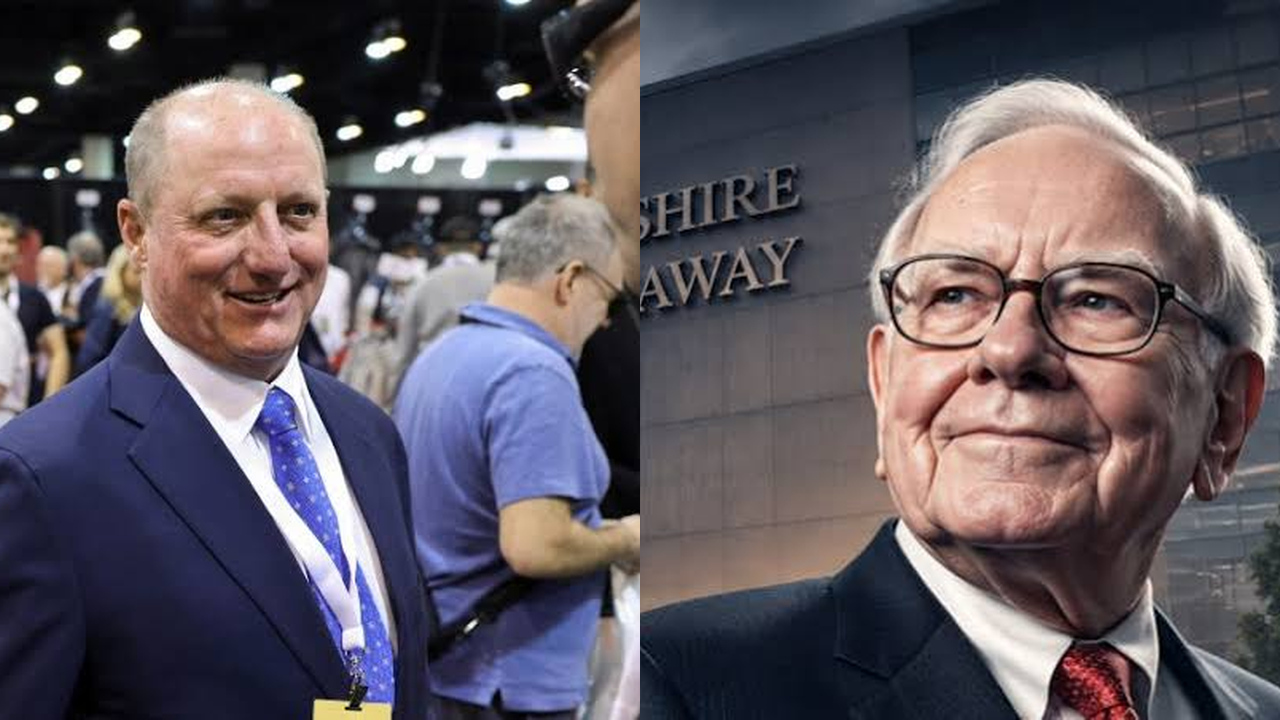
Greg Abel Puts Berkshire Hathaway Cash to Work – Under CEO Greg Abel, Berkshire Hathaway is making a meaningful change in how the company allocates capital, beginning to deploy more of its enormous cash hoard. During the second quarter of 2026, the conglomerate was a net buyer of stocks for the first time in a long time, buying nearly $20 billion more than it sold.
The move has grabbed much attention in U.S. financial markets, with investors keen to see how Abel would run Berkshire Hathaway when he takes over from Warren Buffett as chief executive. The latest results suggest Berkshire is more willing to put capital to work when management sees attractive opportunities.
Berkshire Buys Billions Worth of Stocks
One of the biggest moves in the quarter was a roughly $10 billion increase in Berkshire’s stake in Alphabet, the parent company of Google and YouTube. The purchase is a big bet on one of the world’s largest technology companies, and makes Alphabet one of Berkshire’s largest stock holdings.
Berkshire’s move is notable because the company has long been known for its investments in mature businesses that generate strong cash flows and have lasting competitive advantages. The Alphabet purchase shows that Berkshire is still willing to make big bets on technology when the valuations and business fundamentals look attractive.
Cash reserves drop from record highs
Berkshire ended June with about $364.7 billion in cash and Treasury bills, down from about $380.2 billion three months earlier. The decline is a major shift after years of Berkshire building up cash because it found fewer opportunities that met its investment criteria, but the remaining reserve is still huge.
By the time Buffett retired as CEO, the company’s cash stockpile was a major talking point. The question that kept being asked by investors was when will Berkshire start putting more of its liquidity to work, especially since equity markets kept hitting new highs?
Berkshire Repurchases Its Own Shares
The share buyback spree was a notable acceleration along with Berkshire’s increased stock purchases. The company repurchased about $4.5 billion of its own shares in the second quarter and another $3.3 billion in July.
The buybacks are especially relevant as Berkshire has been historically conservative about buying back shares. The company allows repurchases whenever management thinks Berkshire stock is selling for less than its conservatively estimated intrinsic value.
Taylor Morrison deal boosts capital deployment
Berkshire’s foray outside publicly traded stocks also included a foray into homebuilder Taylor Morrison. The conglomerate further drained its cash pile by spending around $6.8 billion on the acquisition in late July.
The deal shows that Berkshire’s capital deployment isn’t limited to buying stocks. The company also has the ability to use its balance sheet to purchase entire businesses when management feels the opportunity fits Berkshire’s long-term strategy.
Abel’s Berkshire Has Big Financial Cushion
Even with the spending, Berkshire still has one of the biggest corporate cash positions in the world. The rest of the liquidity provides Abel with significant flexibility should markets decline or attractive acquisition opportunities arise.
Berkshire also keeps on producing substantial operating earnings from businesses including BNSF Railway, NetJets, Berkshire Hathaway Energy and other subsidiaries. Those businesses generate additional cash flow that potentially can be re-invested into stocks, acquisitions or share repurchases.
Sources
- Berkshire Hathaway – Official financials and capital allocation strategy of Greg Abel.
- CNBC – Greg Abel’s first annual meeting as CEO and his approach to investing.
- Wall Street Journal – Berkshire’s investment style, cash holdings and Abel’s leadership.
- Associated Press – Q2 results, stock investments and cash strategy
- Berkshire Hathaway Annual Report – Investments, buybacks, cash holdings and capital allocation for the long term.