
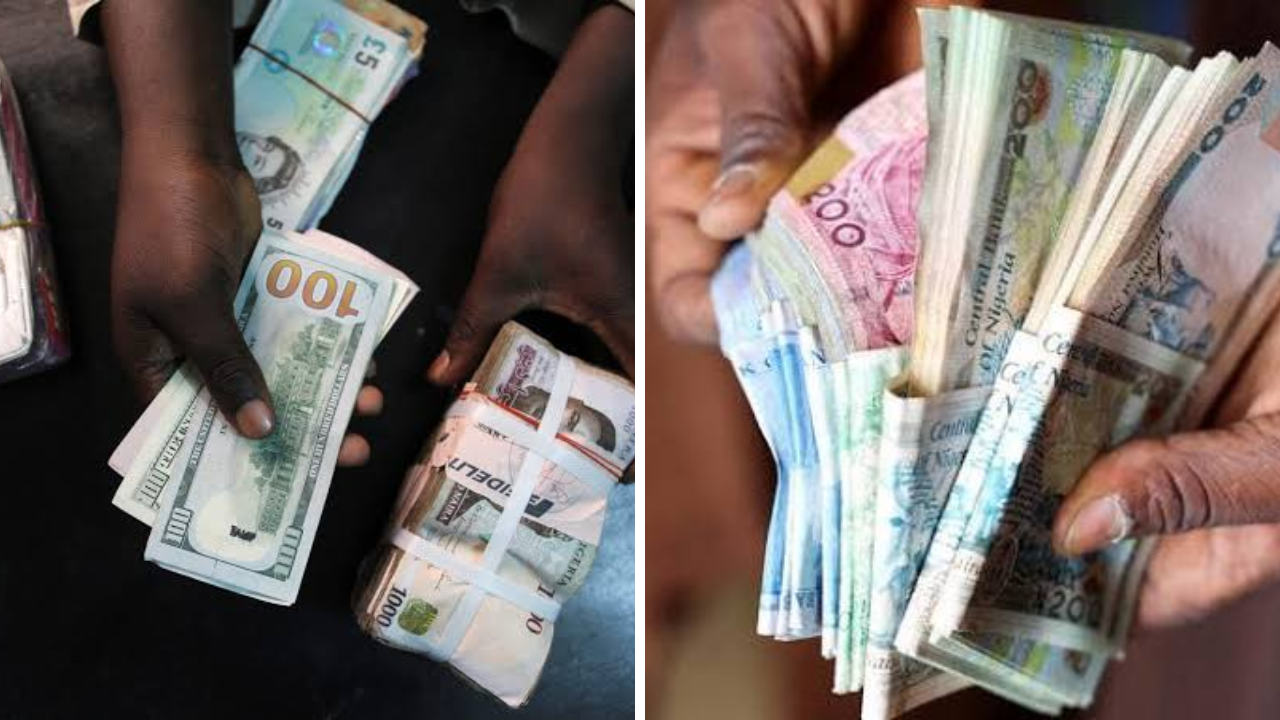
Global economic uncertainty and fears of inflation and changes in monetary policy are putting renewed pressure on some African currencies and impacting forex markets. But analysts say a combination of weaker export revenues, rising import bills and a stronger dollar could weigh on some of the major currencies across the continent.
Outlook for Africa FX tied to global financial conditions. But many African countries have similar problems with their currencies including foreign debt, volatile commodity prices and a dependence on imports. All of which points to probable ongoing volatility in the foreign exchange markets for months to come.
The stronger dollar is hurting things.”
Several African currencies are likely to weaken, with the US dollar’s strength being a major driver. A strong dollar often attracts investors to invest in US assets and this reduces demand for emerging market currencies.
A stronger dollar also makes imports more expensive for countries that rely heavily on foreign imports, thus adding inflation and putting pressure on local currencies.
Central banks can support their currencies with higher interest rates or by using foreign exchange reserves but these are stop gap measures if the underlying economic malaise has not been addressed.
Commodity prices are still a factor for currency markets.
Many African economies are heavily dependent on the export of oil, gold, copper, cocoa, coffee and other commodities. Changes in world prices of commodities directly affect the export earnings and foreign exchange inflows.
A fall in commodity prices or a downturn in world demand can depress export earnings and hence the inflow of foreign currency into the local markets. The imbalance results in currency depreciation.
However, in the context of the overall economic environment, countries with relatively high commodity prices may have more stable exchange rates.
Inflation, import costs remain big challenges
Some African economies are still concerned about inflation. Fuel is up, transportation is up, food is going up too. This makes it more difficult for governments to tame inflation.
Import bills are on the rise and companies want more foreign currency to buy goods from abroad. The demand for dollars or other reserve currencies can rise and put more downward pressure on local currencies.
Central banks are in a bind: They must slow inflation, but higher rates could choke off business investment and consumer spending.
We could see shifts in the global flow of capital
Investor confidence is the fuel of foreign exchange markets. Global instability increases and international investors turn to risky markets for protection.
That would mean less foreign investment in African economies and less demand for local currency. Political developments and the current condition of sovereign debt and fiscal policy can also impact investors.
“Countries with good economic policies and larger forex reserves are better positioned to weather periods of currency volatility.
Governments and central banks are still taking action
Many African governments and central banks are trying to shore up the stability of their currencies. Among these are the easing of monetary policy, assistance to export industries, accumulation of foreign exchange reserves and encouragement of domestic production to reduce dependence on imports.
Other countries are also carrying out economic reforms to attract foreign investment and achieve long-term fiscal stability. These policies may not pay off immediately but could support confidence in local currencies in the longer term.
In the end, currencies are a function of domestic policy decisions and global economic trends.
FX Markets Outlook – Africa.
African FX markets are expected to remain highly sensitive to global interest rates, commodity prices, inflation trends and investor sentiment. Analysts say some currencies may rebound at times, but the volatility will continue until there is more clarity to the global economic picture.
African currencies are going to be in the spotlight in coming months with international market developments and central bank decisions to impact them. Businesses, investors and consumers will be watching the direction of African currencies.
Sources
- Reuters – African FX markets, central bank action, currency, economic news from the region.
- Bloomberg – Global Currency Market Analysis, Flows, Commodity Prices and Emerging Market Currencies
- Economic Outlook reports (IMF) – African economies, Fiscal assessments, Inflation trends and macroeconomic analysis.
- World Bank – Africa: Economic growth, trade, development indicators and financial environment of countries in Africa
- African Development Bank (AfDB) – Regional economic reports, investment trends, insights and analysis on Africa’s financial markets and economic prospects.