

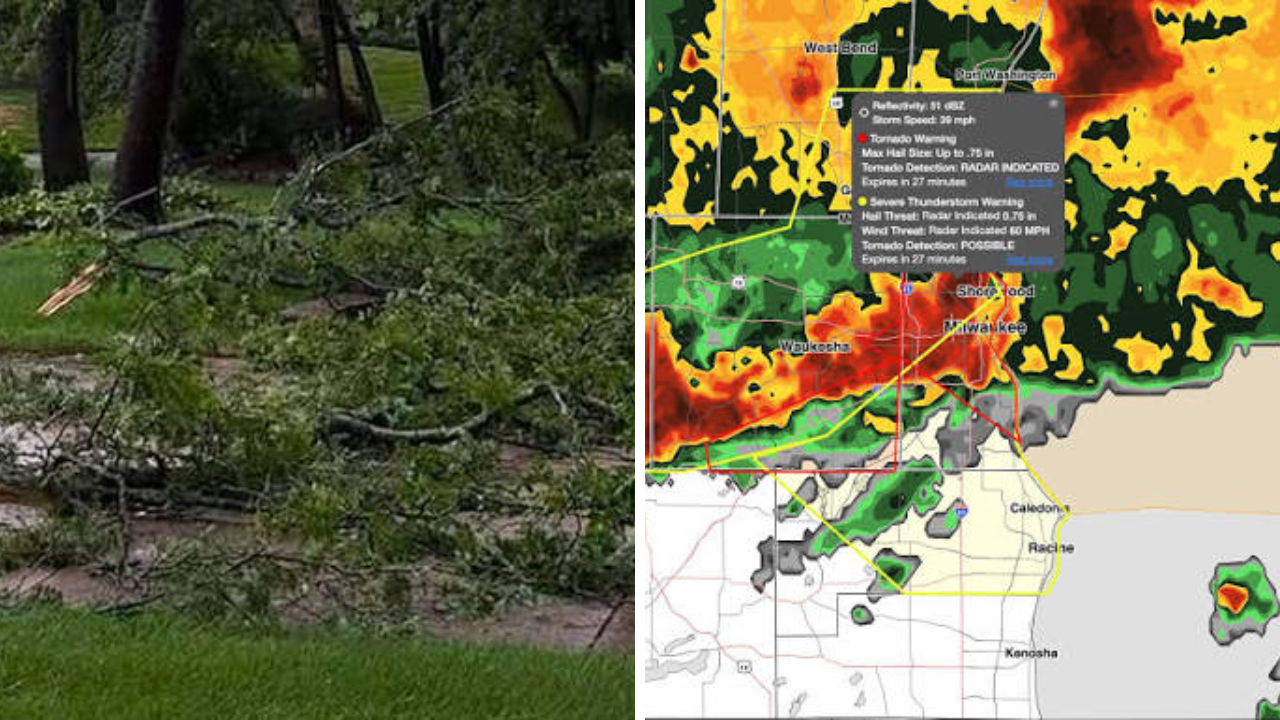
Wisconsin Severe Weather Threat Ends – Wisconsin residents have been given a break from severe weather warnings and watches across the affected areas. The change came as storms that had raised concerns about damaging winds, heavy rainfall, lightning and possible flooding moved off or weakened below severe levels. The cancellation means the immediate threat of organised severe weather is over, but depending on where residents are located, they could still see lingering showers, wet roads and localised weather impacts. The weather in Wisconsin in the summer can change quickly, so people are still advised to be aware of changing conditions.
Wisconsin Severe Weather Warnings Cancelled
Forecasters issue weather alerts when they see conditions that could pose a serious threat to communities. A watch typically means severe weather is possible, and a warning means dangerous weather is happening or will happen soon.
Another round of storms in Wisconsin has authorities and weather forecasters watching thunderstorms closely as they move across parts of the state. Some communities were also warned of strong wind gusts that could damage trees, power lines and unsecured outdoor objects.
Heavy rain was another concern. Heavy thunderstorms can produce a lot of rain in a short amount of time, leading to drainage systems being overwhelmed and temporary flooding on streets and low-lying roads.
The worst storms weakened or moved out of the area and the severe thunderstorm watches and warnings expired or were cancelled.
Strong Storm System Improves Conditions
The end of the alerts is good news for those who spent time watching radar and weather alerts.
Storm conditions can change quickly across Wisconsin, particularly during the warmer months when high humidity and unstable air provide the energy for thunderstorms. But even after a warning has expired, some dangers can still linger.
Roads may be wet for several hours and water may accumulate in areas with poor drainage. Broken limbs and other debris can also be a problem for drivers and pedestrians.
Anyone who experienced the high winds should inspect their property for damaged trees, loose roofing material or downed power lines. If you see downed electrical wires consider them dangerous. Keep residents away and call the appropriate utility provider.
Watches and warnings are cancelled due to this.
Weather agencies constantly monitor radar, satellite observations, surface reports and other forecast information.
A warning may be cancelled early if radar shows a storm has weakened and is no longer producing severe conditions. A watch can also be cancelled if the atmospheric environment becomes less favourable for additional severe thunderstorms.
Cancellation therefore represents a major reduction of the immediate danger. But that doesn’t always promise completely dry weather.
Even when no warning of severe weather is in effect, scattered rain, regular thunderstorms and isolated lightning can still occur.
Local Conditions Should Continue To Be Monitored By Residents
Wisconsin residents should keep an eye on reliable weather information, particularly if they have travel plans or outdoor activities.
The weather is very different in different parts of the state. Bright sunshine can be one place and just a few miles down the road there is a downpour.
People also need to stay off flooded roads. Water depth can be hard to judge especially at night and flowing water can make a roadway unsafe very quickly.
Lightning can strike away from the heaviest rain, so if you hear thunder, outdoor activities should be postponed.
Storm Damage Lingers, Weather May Clear
Visible signs of severe weather can linger long after skies start clearing.
High winds can knock down trees and cause scattered power outages. Heavy rain may cause water to pool and saturated soil can increase the chances of trees falling down .
Local officials and utility workers may need more time to remove debris and restore electricity to communities that were affected.
Motorists should reduce speed near cleanup crews and steer clear of roads covered with fallen trees or flooding.
Wisconsin Returns to Tamer Weather
All severe watches and warnings have been cancelled for the affected areas and the storm system is much less of an immediate threat. That lets communities concentrate on clean-up and return to normal activities.
But Wisconsin’s summer weather pattern may allow for more thunderstorms to pop up with little warning. When new storms are in the forecast, residents should have alerts on and listen to official forecasts.
Good that the latest alerts are cancelled but it is still important to stay weather aware during the severe thunderstorm season, especially during times of high heat, humidity and rapidly changing atmospheric conditions.