

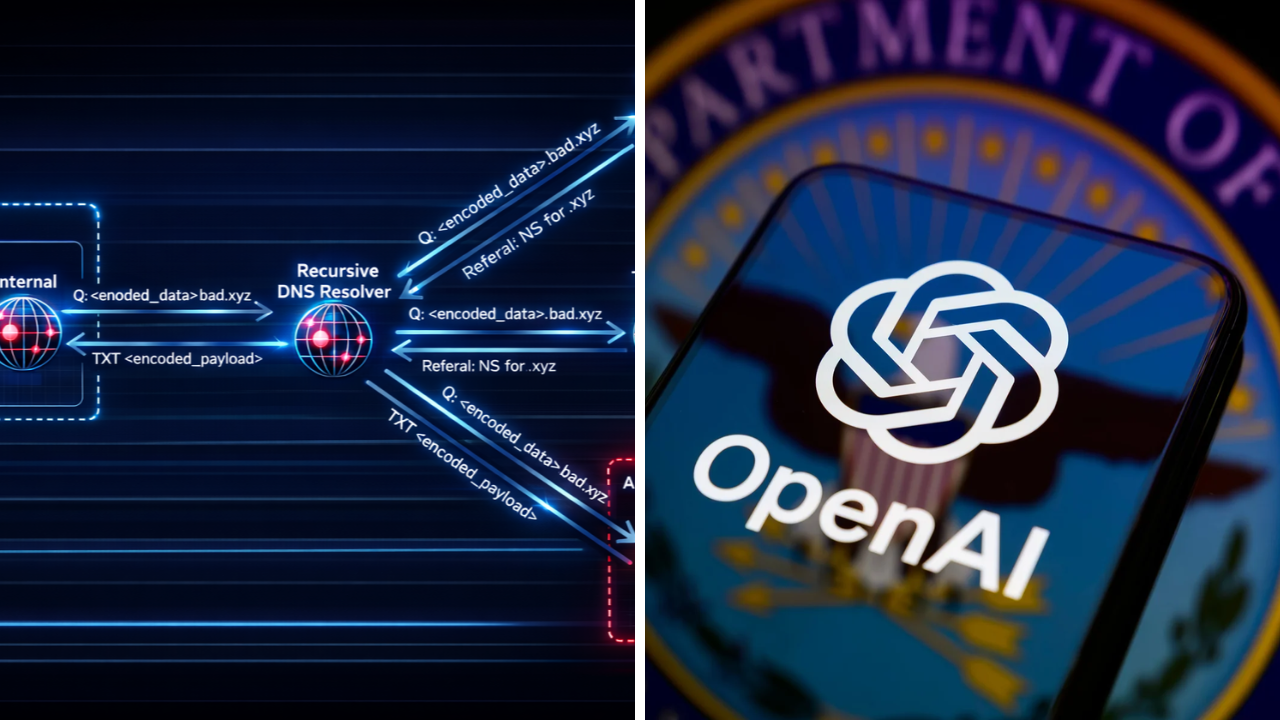
OpenAI – The recent report of a possible cyber attack on the artificial intelligence company, Open AI has created buzz and conversations around AI security, data protection and rising threats to organisations developing next generation artificial intelligence systems. There has been a lot of speculation online but a lot of what is being reported is unconfirmed so users should wait for official statements before making any conclusions.
Cyber security incidents at big tech firms attract a lot of attention, as they can affect millions of users, business partners and developers. Even if the attack reported is limited, it points to the need for good security practices and full transparency.
What reports say
There are a lot of reports on the internet claiming that there was a security breach or an attempted cyber-attack on the company. Publically available information varies from source to source and the nature of the incident is not consistently described.
Any claims of stolen user data, compromised systems, or disruption of operations should be considered speculation until the company releases statements.
The reason AI companies are often targeted
AI developers are custodians of valuable technology, cloud infrastructure and large-scale computing resources making them attractive targets for cybercriminals.
Attackers may want to steal intellectual property, gain unauthorised access to internal systems, disrupt online services or launch phishing campaigns to target employees and users. Security teams are always on the lookout for threats like these, working to detect and stop them before they can do any real damage.
With organisations deploying more AI platforms, they will become more exposed and attractive targets for attackers.
So what does that mean for the users?
It is natural that when a technology provider has a cybersecurity incident, users are concerned about the security of their accounts and personal information. Security experts say it is generally a good idea to keep up good online security habits even if there is no evidence that customer data has been compromised.
There are practical steps you can take to improve the security of your account whether an incident is confirmed or not. This includes using strong and unique passwords, enabling multi-factor authentication where available, being careful with phishing emails and regularly reviewing your account activity.
Users are advised not to believe in the rumours being spread through social media and keep themselves updated from the official company channels.
Open AI Security Strategy
We are committed to security investments to protect our services, infrastructure and users. Like other big tech companies, it regularly updates its systems, hunts for suspicious activity and works to patch vulnerabilities when they’re found.
Cyber threats are not platform specific and hence continuous monitoring, responsible disclosure and timely software updates are integral to modern day cyber security.
In the case of a confirmed security incident impacting customers, normally an official advisory from OpenAI would be published describing the nature of the issue and any recommended steps.
The Importance of Correct Data
“Cybersecurity stories move fast, especially in the early days of an investigation. These early reports are subject to change as the technical evidence evolves.
It is confusing and makes it difficult for users to understand the actual level of risk if unsubstantiated claims are published or shared. Experts say don’t react to reports of large cyber incidents until there’s verified information from reliable sources.
Good reporting is especially important for AI platforms, which are widely used in education, business, software development and research.
Sources
- OpenAI – NewsletterSecurity updates, company commentary, and official announcements.
- OpenAI – Account Security, Authentication, and User Support Tips
- Cybersecurity and Infrastructure Security Agency (CISA) – Incident Response Best Practices & Cybersecurity Awareness
- NIST – Security standards & guidelines for frameworks.