

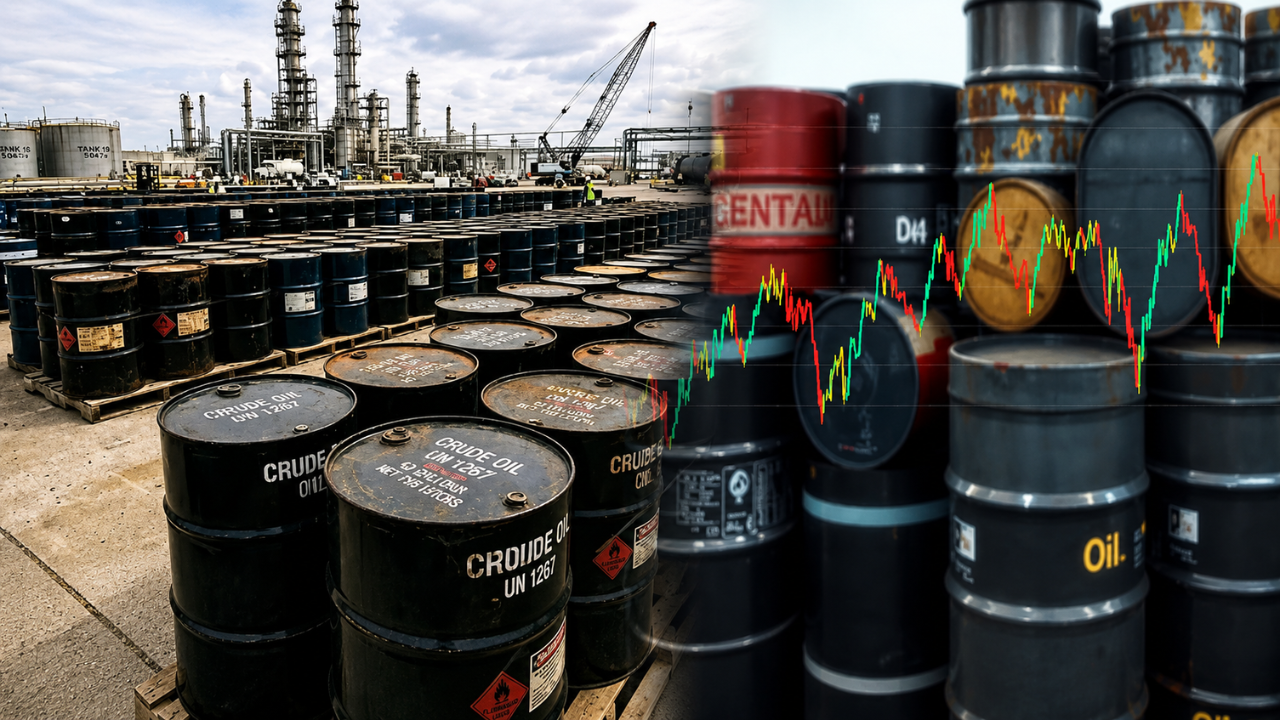
Global oil prices have apparently moved past the crucial $100 a barrel mark as energy markets digest rising concerns over supply, geopolitical events and changing demand outlooks. Crude oil continues to be a fundamental part of transportation, manufacturing and global trade, and a move above this level can quickly affect businesses, consumers, governments and financial markets.
Oil benchmarks, such as Brent crude and West Texas Intermediate, are very volatile in a trading session. Therefore, investors should check current market data before relying on any given price. But a sustained move above $100 would be a big move for the energy sector and could rekindle concerns about inflation and economic growth.
Global Oil Prices Climb Amid Supply Concerns
The rise in world oil prices seems to be driven by fears that supplies could tighten in the months ahead. Crude markets are highly reactive to conflict, sanctions, shipping disruptions, production outages and decisions by major oil producers.
Even if physical supplies have not yet declined, traders may try to push prices higher if they think future production or transportation routes are in jeopardy. Uncertainty in key oil-producing regions can build a risk premium, adding to the cost of every barrel.
Meanwhile, production policies from the Organization of the Petroleum Exporting Countries and its partners remain important. Prolonged output curtailments or a delay in bringing output back online can tighten up supply and support prices.
Petrol, Diesel may rise
That may finally translate into higher prices at the pump for consumers. Crude oil is one of the biggest components of fuel costs, but retail prices are also influenced by refining costs, taxes, distribution costs and local supply conditions.
Diesel is especially important because trucks, agricultural vehicles, construction equipment and freight networks all depend heavily on the fuel. Food, household goods and industrial materials all cost more to move when diesel prices are higher.
Airlines could also feel pressure because jet fuel is a big expense for operating the airline. Carriers might respond by increasing ticket prices or eliminating less profitable routes or adjusting fuel surcharges.
Global markets are once again fearful of inflation.
If oil prices stay higher for longer, it will be more difficult to contain inflation. The cost of energy affects transportation, manufacturing, packaging, electricity production and the movement of goods across borders.
Many of these additional costs may be absorbed by companies but they tend to pass long term increases on to customers. This can increase the prices of everyday products and reduce the number of products a household can buy.
Central banks will be watching closely to see if expensive oil leads to broader inflationary pressure. Policymakers may be less willing to cut rates if energy prices keep rising and begin to affect the broader consumer price index.
Oil producers might make more money.
Higher oil prices could help boost export earnings and government revenue for major crude exporters. Higher income supports continued public spending, infrastructure projects and national investment programmes.
The high prices may spur more drilling and exploration, possibly producing better results from energy producers and oilfield-service companies.
But there comes a time when the world gets tired of high oil prices. Businesses could slow down, consumers could drive less and governments could speed up efforts to improve energy efficiency or develop alternative sources.
Economic Pressure on Economies that Import
Crude-importing nations could see trade costs rise and their currencies come under pressure. A softer local currency makes dollar-priced oil even more costly to governments and consumers, further increasing the financial burden.
Governments can soften the blow—say, by subsidising fuel or releasing emergency reserves. Such measures can provide some temporary relief, but may also lead to higher public spending and cannot, in the long term, compensate for a prolonged global price increase.
Markets to Watch: Production, Geo-political events
The one thing that will drive oil prices going forward is supply decisions, inventory data, economic growth, shipping conditions and geopolitical events. Traders will also keep an eye on demand from big consumers like the United States, China, India and Europe.
Tensions easing, or an unexpectedly strong production number, could quickly bring prices down. Still, further supply disruptions could keep crude above or send it over the $100 mark.“Energy markets are still volatile and the increase that we have seen should be taken in the context of a rapidly changing situation rather than a steady state price.”
Sources
- OPEC – Oil production policies, market outlook and supply reports
- U.S. Energy Information Administration – Crude inventories, production data and energy market analysis.
- International Energy Agency – Global oil demand and supply projections and energy security assessments.
- Reuters – commodity market reporting and international energy news
- Bloomberg co- verage of financial market data, oil prices and economic analysis.