
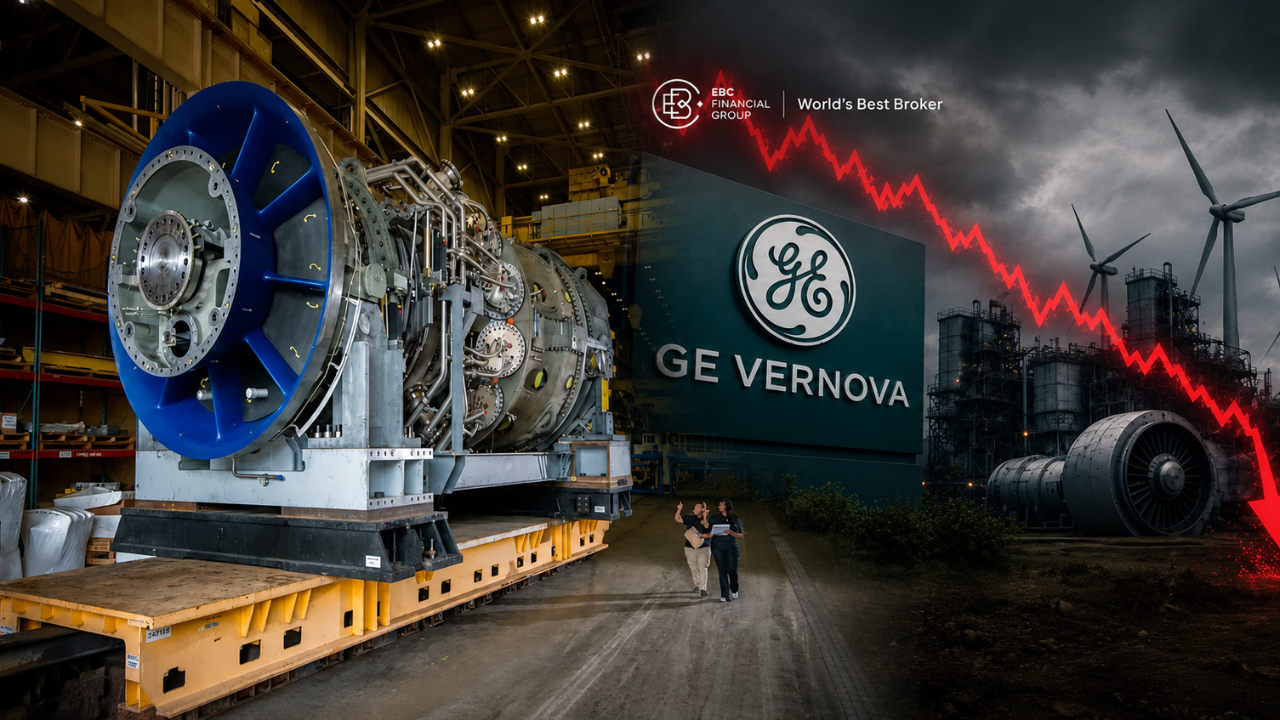
According to reports, GE Vernova shares fell after the company posted quarterly results that fell short of Wall Street earnings forecasts. The market reaction came against a backdrop of strong, sustained demand for power infrastructure tied to the rapid growth of artificial intelligence, illustrating how investors are considering profitability and financial performance as well as long-term growth prospects.
Investors should refer to the latest earnings, company guidance and stock performance on GE Vernova’s official investor relations website and regulatory filings at the time of writing.
Positive Industry Trends Overshadow Earnings
GE Vernova’s quarterly results, as per reports, missed analysts’ earnings estimates and triggered a negative investor response. But markets can be quick to punish if earnings per share or profit margins miss consensus forecasts, even if revenue growth and order activity have been healthy.
Public companies are often judged by Wall Street’s estimates, and even a slight miss can affect share prices despite strong business fundamentals.
AI Data Centres Persist in Driving Energy Demand
Artificial intelligence’s rapid growth has been a boon for the power industry, which has seen demand jump as companies add capacity to data centres to run AI training and cloud computing workloads.
The trend has opened up new opportunities for providers of energy infrastructure such as power generation, grid modernisation, and transmission equipment. These will be long-term investments that will serve GE Vernova’s energy technology and services portfolio well.
Industry analysts say electricity demand from AI-related infrastructure will be a key growth driver in the coming years.
Investors Watch Margins, Guidance
Strong market demand can support future growth but investors are also looking in depth at operating margins, cash flow and forward guidance.
Even if demand stays strong, the market may still sell off if management cuts its outlook or flags higher operating costs. Quarterly profitability can be affected by rising manufacturing costs, supply chain issues, project timing, or investment in future capacity.
Investors will likely be looking at the upcoming earnings reports to see if the company can turn that rising demand into better financial results.
The overall long term picture still counts.
Nevertheless, many analysts believe that the global energy transition and the growing AI infrastructure will act as tailwinds for companies that serve the power sector over the long term.
Utilities and technology companies could have more opportunities as energy needs grow and they work to keep up with more investment in power generation, transmission networks and grid reliability.
Long-term growth, however, reduces short-term risks such as economic environment, project execution, competitive pressure and changing customer demand.
Next thing stock investors need to watch
Investors will likely keep an eye on order activity, backlog growth, free cash flow, operating margins and management outlook for the coming quarters. Progress in utility investments and big infrastructure contracts, as well as in AI-related energy projects, could also affect market sentiment.
In addition, economic conditions, interest rates and capital spending by large technology companies could affect demand across the energy sector.
Think Bigger Picture
Earnings every quarter can bring short-term volatility, but many long-term investors also look at a company’s competitive position, financial strength and how exposed it is to growing industries.
Continued investment in the energy infrastructure narrative combined with increasing demand for AI-led power could continue to be a major factor for GE Vernova. In the future, it will be known how the company can turn those opportunities into lasting earnings growth.
Sources
- Investor Relations GE Vernova – Earnings releases, financial statements and presentations, and investor guidance.
- U.S. – Securities and Exchange Commission (SEC) Company Filings, Quarterly and Regulatory Filings.
- NASDAQ – Stock Market News and Analysis from Nasdaq
- Reuters – Business & Earnings News
- The Wall Street Journal – Business news, market analysis and financial reports.