

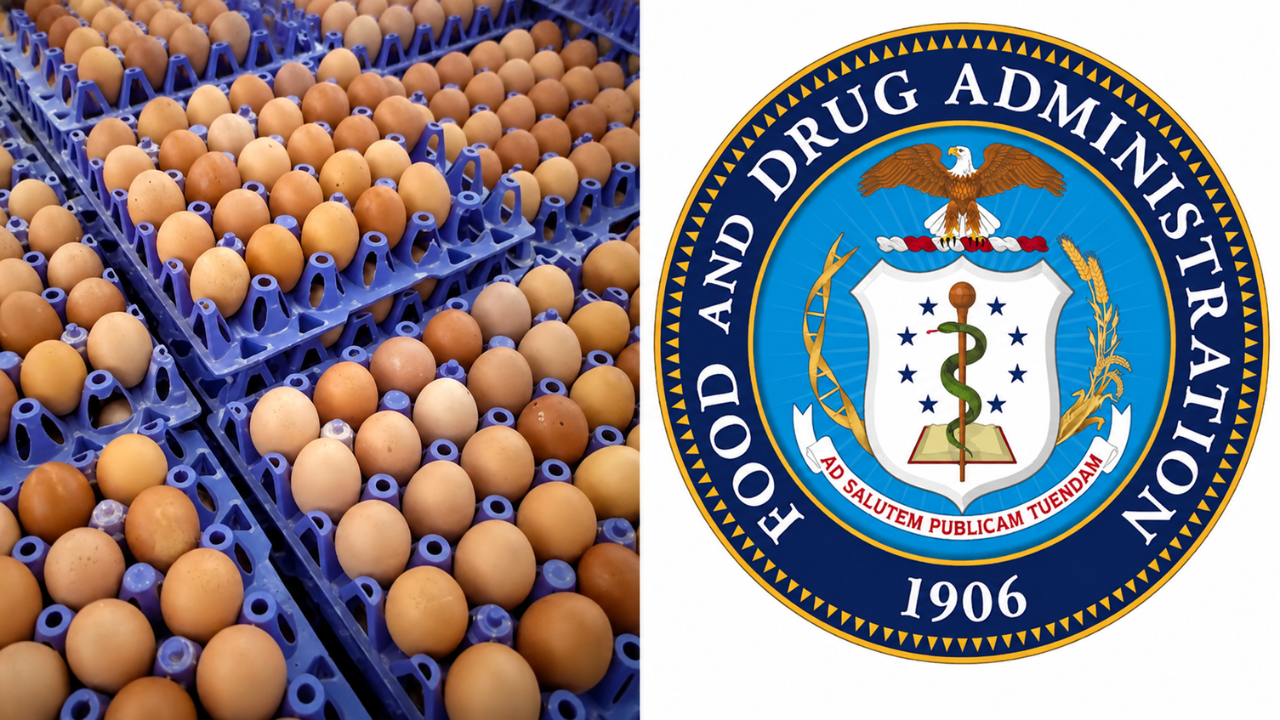
FDA Egg Recall – The U.S. Food and Drug Administration (FDA) has classified an egg recall as the most severe level of risk and consumers in multiple states have expressed fear over the Salmonella outbreak associated with contaminated products. “Food safety is always a challenge and this recall reinforces the need to handle, cook and review product labels.” Health officials are still investigating and urging people not to eat the eggs and to follow safety advice.
FDA Recalls Highest Risk Class
This is the most serious recall classification by the FDA, meaning that the product poses a risk of serious health problems or death to the affected population, especially vulnerable populations.
I think a Class I is generally where there’s a reasonable chance that eating the product would cause serious illness.
“Recalls of this size get a lot of attention because they involve products that may have already been sold to consumers and into homes.
Health Alert Issued Over Salmonella Outbreak
Salmonella is a bacteria which can cause food borne illness when contaminated food is eaten.
Symptoms include fever, stomach cramps, diarrhoea, nausea and vomiting. In some cases, infections can be severe, particularly in young children, older adults, pregnant people and people with weakened immune systems.
Health officials closely monitor salmonella outbreaks because contaminated products can impact people in multiple locations.
Consumer advisories issued for tainted eggs
Contamination concerns are of particular importance since eggs are a staple in the majority of American homes.
Usually, officials recommend consumers check to see whether their eggs correspond with the recall information, including brand names, packaging information, lot numbers and expiration dates.
Those who purchased the recalled eggs are generally advised not to consume them and to follow the instructions of health authorities or the company involved.
Many states are at risk
Our food distribution systems allow products to be shipped across state lines in a matter of hours, so a recall can impact consumers many miles away from where the product was made.
Officials are working with manufacturers, retailers and distributors to find out where the affected products were sold.
Consumers should remain vigilant as recalled products may still be in refrigerators or kitchens.
Salmonella can be transmitted through food mishandling.
Recalls are an important part of ensuring food safety but good food safety practices are also key in minimising the risk of illness.
Health experts say that to avoid getting sick eggs should be properly refrigerated, not cross-contaminated, hands washed after handling raw eggs and cooked thoroughly.
Cooking food properly can help reduce the risk of infection from harmful bacteria.
More Susceptible Groups at Higher Risk
Most people with Salmonella infections recover without treatment but some people develop serious illness.
Infants, older adults, pregnant women and those with certain medical conditions are at increased risk for serious illness.
These groups are vulnerable to hospitalisation or other serious health consequences arising from Salmonella infections.
Sources
- U.S. Food and Drug Administration (FDA) – Recalls & safety alerts
- CDC – Centres for Disease Control and Prevention – Health Guidance and Information Salmonella Outbreak
- U.S. Department of Agriculture (USDA) – Food safety regulations and inspection information
- Reuters – Food Safety News, Public Health Coverage