

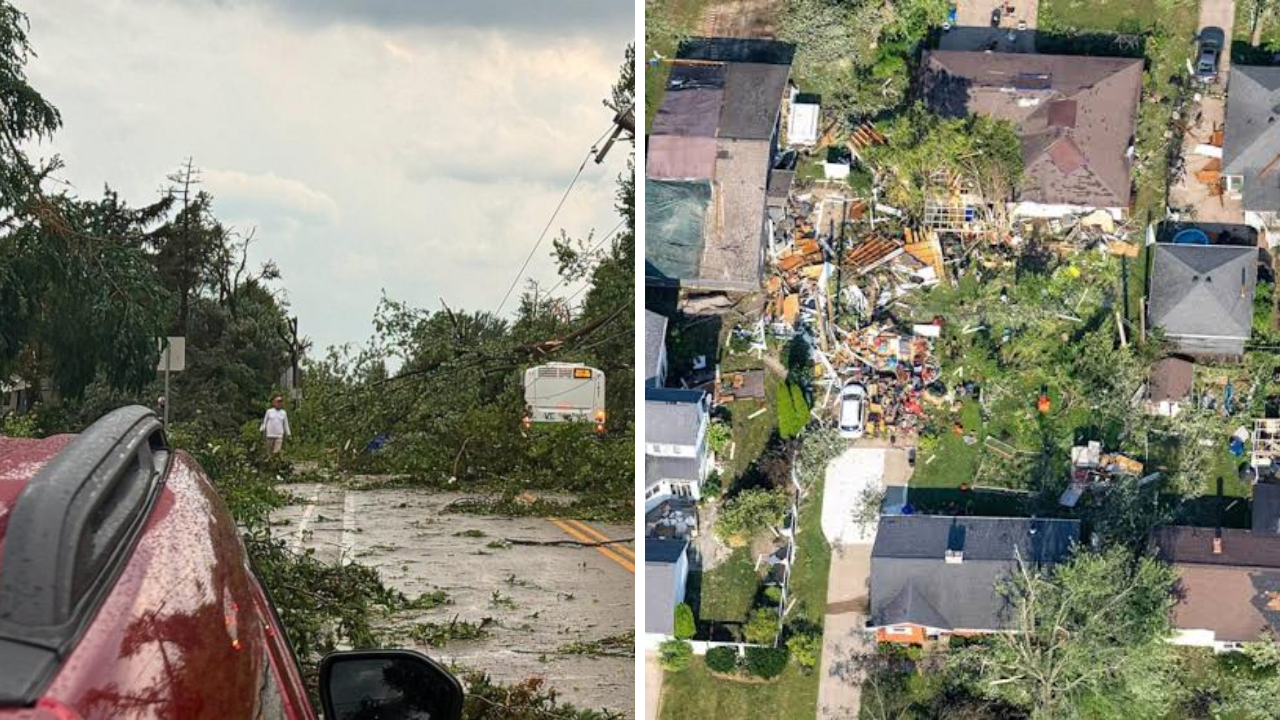
A destructive path was cut through the Appleton area by an apparent tornado. Residents surveyed the damage to their homes, businesses, roads and public infrastructure. Crews were dispatched to the affected neighbourhoods to clear debris, restore utilities and evaluate structural damage. Severe weather can form rapidly and residents are urged to monitor local authorities and the National Weather Service for updated safety information.
There is a lot of interest in the Appleton tornado. Officials are trying to determine the extent of the damage and organise recovery efforts. Severe thunderstorms that produce tornadoes can cause widespread damage in minutes and require quick emergency response and accurate weather information to protect the public.
Tornado damage in certain parts of Community
Buildings were damaged, trees and power lines were downed and several roads were blocked by debris, reports said. The injury was not of an equal character; in some places there was but little effect, whilst in others more general destruction had been visited.
Emergency personnel went right to the affected areas to determine hazardous structures, open life-saving corridors, and help residents as needed.
Officials say they will have to do detailed damage surveys before they can confirm the strength of the tornado and its final path.
Emergency crews are working to retrieve
Local emergency services, utility companies and public works departments were involved in recovery efforts immediately after the storm passed through the area.
Crews cleared downed trees, repaired downed power lines, opened traffic lanes and checked buildings for structural soundness. Utilities also worked to restore service to customers impacted by damage to their transmission and distribution lines.
Recovery could take a couple of days, depending on the damage and weather.
Reports of power cut and travel disruption
Tornadoes can cause widespread power outages as they can destroy electrical infrastructure. People living in affected areas may not have power, Internet or other critical services until repairs can be made.
Travel may be hampered by downed trees, damaged traffic signals, flooded roads or emergency vehicles working in the impacted areas.
During clean-up operations, officials generally ask drivers to stay out of damaged areas unless they have to be there and to obey road closures.
Alert to residents to be alert
Hazards might remain after the tornado goes by. Recovery can be dangerous with hazards such as downed power lines, unsafe structures, broken glass and gas leaks.
People are advised to stay away from badly damaged buildings until they have been examined by qualified personnel. Never run a generator inside a house during a power outage, even if it is well ventilated, because of the risk of carbon monoxide poisoning.
People are also being asked to continue to monitor official weather updates for the potential of more thunderstorms or severe weather following the first event.
Officials try to gauge damage from storm
After large tornadoes, meteorologists with the National Weather Service often conduct detailed surveys to determine the intensity of the tornado on the Enhanced Fujita (EF) Scale .
For surveys, they look at structural damage, effects on trees and the path of the tornado to get an idea of wind speed and properly classify the event . The latest assessments can be very time-consuming, especially when one storm system impacts several communities.
“The results contribute to improving forecasting, emergency planning and public awareness of severe weather events.”
Community Recovery Efforts to Continue Over Next Few Days
Tornado recovery is not just the immediate aftermath cleanup. Local government, homeowners, businesses and insurance companies are working together to rebuild damaged property, restore public services and help families affected by the storm.
Community groups and volunteers can also assist by providing temporary shelter, food and other relief to residents as they recover from the storm.
Assessments are ongoing, but authorities should have current information on damage estimates and the status of restoration and recovery resources.
Sources
- National Weather Service (NWS) – Storm warnings, storm surveys, forecasts, damage assessments.
- NOAA – National Oceanic and Atmospheric Administration Severe weather information, radar information and forecast resources.
- Wisconsin Emergency Management – Information on emergency response, recovery and safety
- AP – dependable reporting on severe weather, emergency response.
- Reuters – Major Weather Events and Their Impact on Infrastructure and How to Combat It