

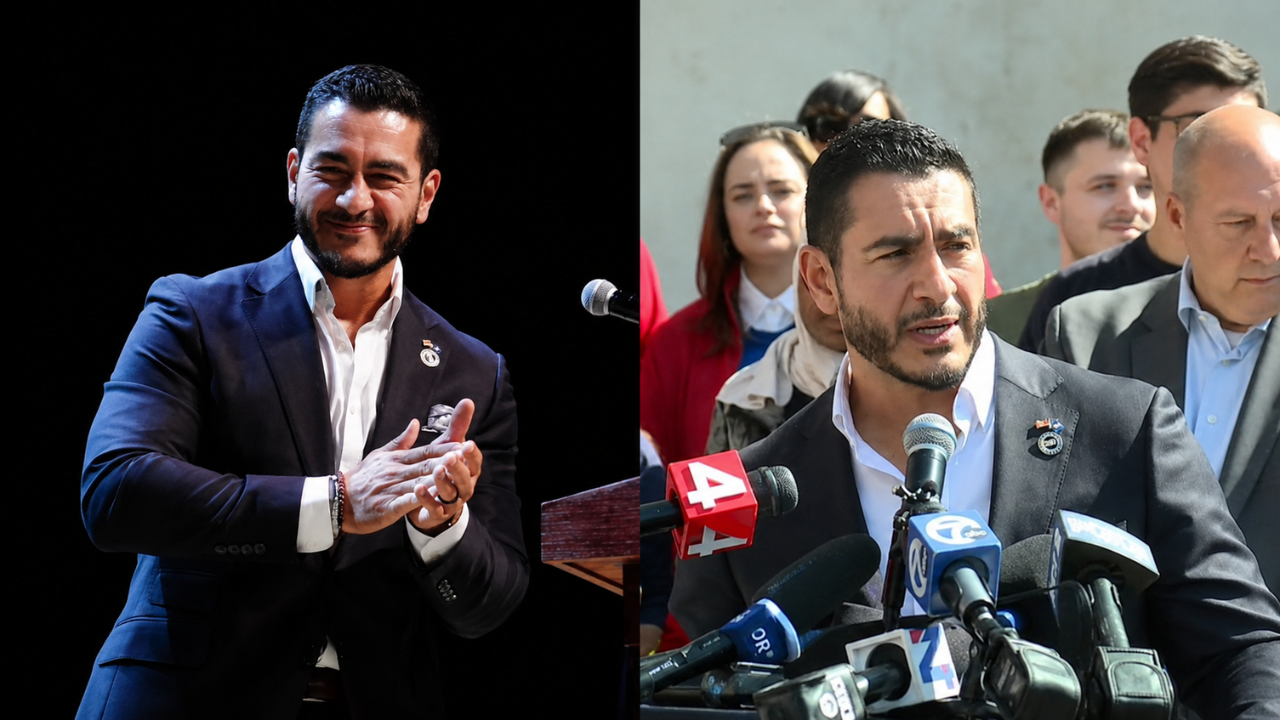
The latest race update shows Abdul El-Sayed as the winner of Michigan’s Democratic U.S. Senate primary, reflecting the election results. The win marks a major political breakthrough for the physician, public health advocate and former Detroit health director as Democrats get ready for the general election. The Michigan contest is expected to be a major battleground, and voters and national political groups will continue to watch the race closely.
Democratic Senate Nomination Goes to Abdul El-Sayed
El-Sayed won the primary and is now the Democratic Party’s nominee for Michigan’s open U.S. Senate seat. The win is a major milestone in his political career after years of work in progressive politics, public health policy and Democratic organising.
The nomination also puts Michigan Democrats in a better position heading into the general election campaign, where control of competitive Senate seats can have national implications.
National Attention Focuses on Michigan Senate Race
Michigan is a key player in US elections because of its politically diverse voters and a history of tight statewide races.
Detroit and Ann Arbour are Democratic bastions in the state, but there are also suburban, rural and working-class communities that can decide close elections. That means Senate candidates need to build support among very different groups of voters, rather than relying on just one part of the state.
El-Sayed brings public health background to race
Before becoming a national figure in politics, El-Sayed was a doctor and public health official. Previously he served as executive director of the Detroit Health Department, giving him first-hand experience in health care administration and public policy.
His political profile rose nationally when he ran for governor of Michigan in 2018. He did not win that Democratic primary, but the campaign established him as a recognisable voice within the progressive wing of the party.
Economic, Health Care Issues Could Drive General Election
Voters in Michigan will probably hear a lot about health care costs, jobs, manufacturing, inflation, housing and economic security as the Senate race unfolds.
The auto industry is also of unusual significance to trade, manufacturing policy, electric vehicles and domestic investment. Candidates will be asked to describe how their policies could affect workers, families, small businesses and large employers across Michigan.
Democratic Victory Lays Groundwork for General Election Fight
El-Sayed’s first big hurdle is making it through the primary. The general election will require a broader coalition than just Democratic primary voters.
The campaign strategy will likely be focused on getting out the vote in the major cities, but also competing for independents, suburban voters, younger residents, union households and communities outside the most populated areas of Michigan.
The Republican nominee also will attempt to frame the race around national political issues, economic conditions and the direction of the federal government.
Voters in Michigan Face Higher Stakes with Senate Control
And Michigan’s Senate election could have implications beyond the state — every competitive seat could tip the balance of power in Washington.
The U.S. Senate is a key player in the passage of federal legislation, judicial appointments, appointments to the cabinet, budgets, and other major decisions of national policy. That means both sides will likely be pouring a lot of attention and resources into Michigan in the run-up to Election Day.
Sources
- Michigan Department of State – Michigan election results, candidate information and certification updates
- Associated Press – U.S. election calls and state-by-state political coverage
- Reuters – Senate elections and national politics reporting from U.S.
- Detroit Free Press – Michigan political news, statewide election coverage
- The Detroit News – Michigan Senate race, candidate and election reporting