

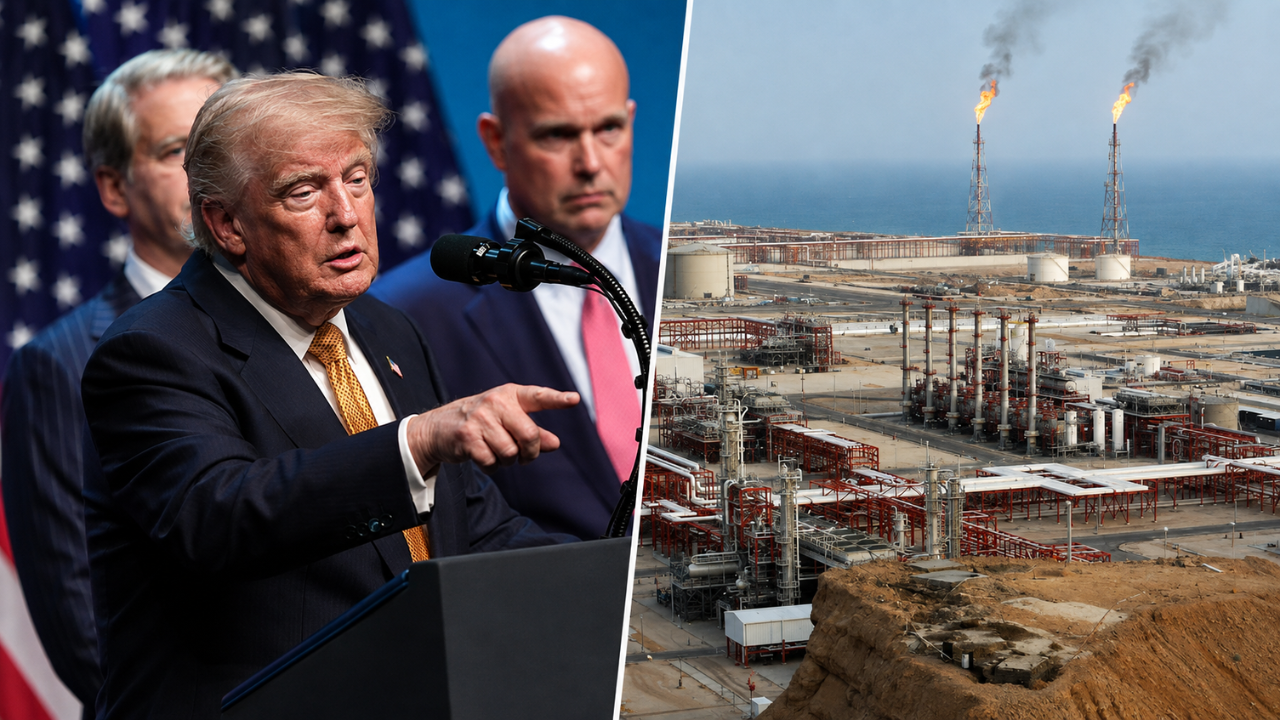
US-Iran War Boosts Oil Company Profits – Tensions between the United States and Iran are causing oil prices to react to concerns about supply disruptions in the Middle East, spreading uncertainty across global energy markets. Higher prices for crude might benefit big oil producers, but U.S. consumers might pay more for gasoline, transportation and household use.
The reported US-Iran conflict oil price impact is also creating political pressure for US President Donald Trump. His administration may have to juggle national security decisions with concerns about inflation, military spending, international alliances and the economic burden on families and businesses.
Oil prices slip on supply worries
Markets for energy are quick to react to the threat of conflict in important oil producing areas or key shipping lanes.
Iran produces a lot of energy itself and countries in the region supply a lot of the world’s crude oil. Any disruption to production facilities, pipelines, ports or shipping lanes can cut available supplies and push prices higher.
Traders may also build in a risk premium to oil prices on uncertainty, even if physical deliveries continue as normal, to protect against a possible future shortage.
Oil Companies May Report Stronger Earnings
Large energy firms might make more when crude oil and natural gas prices climb.
Producers can even make money by selling oil at higher market prices without necessarily pumping more oil immediately. Companies with strong refining, transportation and trading operations also may benefit from changing market conditions.
But that doesn’t mean all companies will make the same profits at higher prices. Higher security costs, damaged infrastructure, shipping delays, sanctions and unpredictable demand can cut earnings.
Consumers Could Pay More at the Pumps
Over time, increases in the price of crude oil can translate into higher prices for gasoline and diesel fuel for much of the United States.
For motorists , service stations could be pricier . Airlines , trucking companies, manufacturers and delivery businesses will pay more for fuel . Some of those costs may be passed on to customers through higher ticket prices, delivery fees or product prices.
If the conflict persists, it could make it harder to get inflation under control and could damage consumer confidence.
Trump Under Pressure on Strategy
Trump is likely to face growing pressure to articulate the administration’s military and diplomatic objectives.
Lawmakers might ask how narrow the American involvement is, how long operations could continue and under what circumstances the confrontation would end. There could also be questions about congressional authorisation, risks to US personnel and the possibility of wider regional escalation.
Public support could hinge on the government’s ability to show a realistic plan and tangible results.
Debate on Energy Independence Revives
The situation could reignite debate over U.S. energy production and reliance on world markets.
Proponents of more domestic drilling might say that more American production would reduce the effect of disruptions overseas. Some may point to renewable energy, electric vehicles, public transportation and efficiency as longer-term strategies to reduce vulnerability to oil-price shocks.
Protection can be provided by domestic production but oil remains a globally traded commodity. That means US consumers can be hit by international price increases even if US output is strong.
Sources
- White House – Official statements on US policy, military objectives and diplomatic decisions.
- US Department of Defence – Operational Updates and Information Confirmed Involving US Forces.
- International Energy Agency – global oil supply, emergency reserves and market analysis.
- US Energy Information Administration – U.S. production, stocks, gas prices and energy outlook.
- OPEC – Oil production data and international supply decisions.