

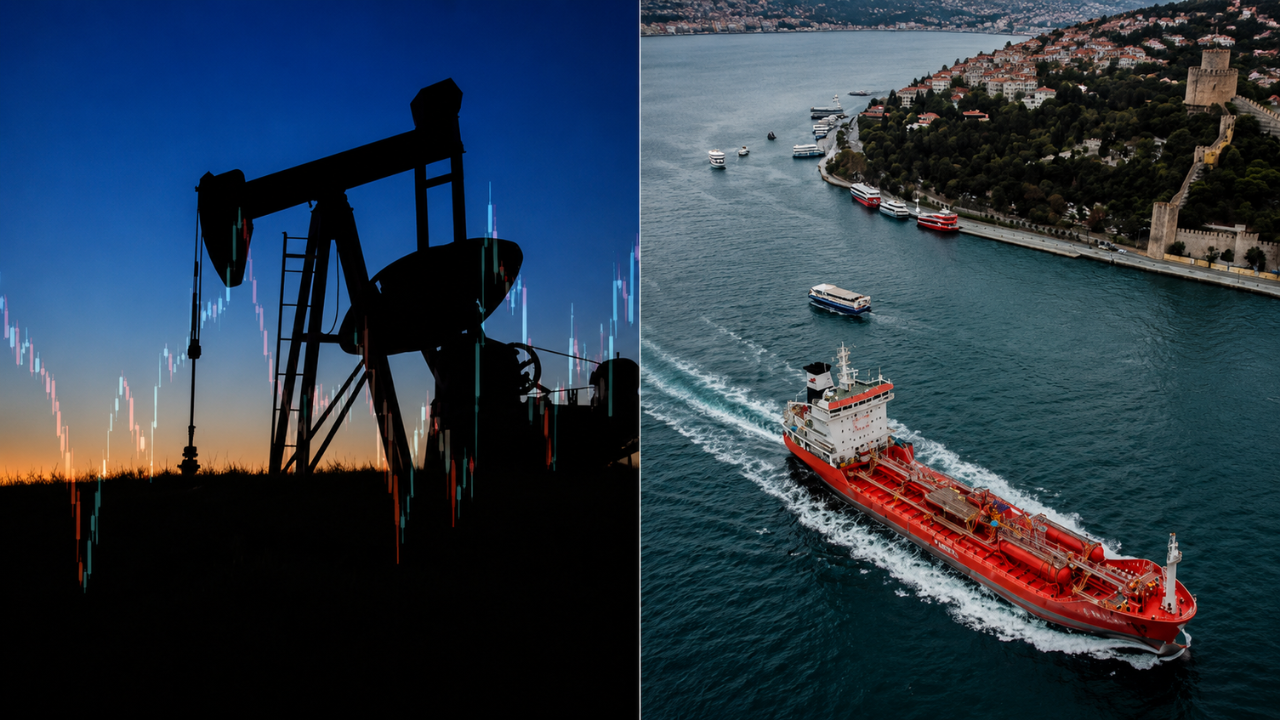
Oil prices rose and some of the fears of a major global supply disruption seemed to be allayed by the easing of traffic through the Strait of Hormuz. The move comes as energy markets watch one of the world’s most important oil shipping routes and consider how geopolitical risks could affect crude availability.
The increase in oil prices associated with a resumption of traffic through Hormuz is a complicated market reaction. Increased shipping activity could help ease some worries about a large supply crunch but regional tensions, output and global demand expectations are the focus for investors.
Hormuz Strait: Still Vital to World Oil Supply
The Strait of Hormuz is one of the world’s most crucial energy shipping routes.
A narrow waterway linking the Persian Gulf to world markets through which much of the world’s oil exports pass. Any disruption here can rattle traders quickly and even temporary restrictions could have an impact on supply chains and add to transportation costs.
Therefore, any change in shipping in the Strait of Hormuz would impact the price of crude oil.
Traffic recovery, supply concerns ease
Reports said fears of a long-term disruption eased as vessel traffic improved in the region.
If ships are running as normal, markets are less likely to see a big shortfall. This could help avoid an oil-price spike from panic buying or the expectation of lower supply.
Traders want to see if the rebound can hold and if the geopolitical conditions are changing.
Oil Markets: The Intersection of Risk and Demand
It’s not just supply fears that are driving crude prices.
Investors will also be looking at global economic growth, industrial production, inflation expectations, interest rates and fuel consumption trends. Limited by weaker growth, prices may be pushed up by strong demand from large economies.
The latest move is typical of the tug of war between fears of lower supplies and lingering uncertainty about future demand.
Traders eye OPEC for output cuts
OPEC and its allies are still important players in the oil market.
Production changes can mean more or less global supplies . “There is potential for more price support if demand remains strong and producers keep cutting back.
More output, however, could help to tame price rises by putting more barrels on the market.
Energy Prices Hit Consumers, Businesses
Changes in the price of crude oil can impact the price of gasoline, diesel, aviation fuel and other energy costs.
Higher oil prices would raise the cost of transporting goods and services and add to inflationary pressures. Lower prices could ease some of the burden on consumers, but also hit the bottom lines of energy companies.
Governments and central banks watch energy prices closely because they can have a major impact on the wider economy.
Markets jittery, geopolitical tensions
Shipping activity is picking up but investors remain cautious about risks in major energy producing regions
Market expectations can also change quickly in response to unforeseen changes in transportation routes, producers or regional conflicts. Oil markets are sensitive to uncertainty because any disruption to supply can affect prices before any shortages occur.
Traders are thus closely watching official statements, shipping data and developments in the region.
Sources
- International Energy Agency (IEA) – review of global oil supply and market reports
- U.S. Energy Information Administration (EIA) – Data, analysis and projections on energy for crude oil markets.
- OPEC – Production report and outlook
- Reuters Energy – Crude Oil Price Movements, Geopolitical Market Coverage.
- Bloomberg Energy – Outlook for Commodities
- CME Group – crude oil futures market data