

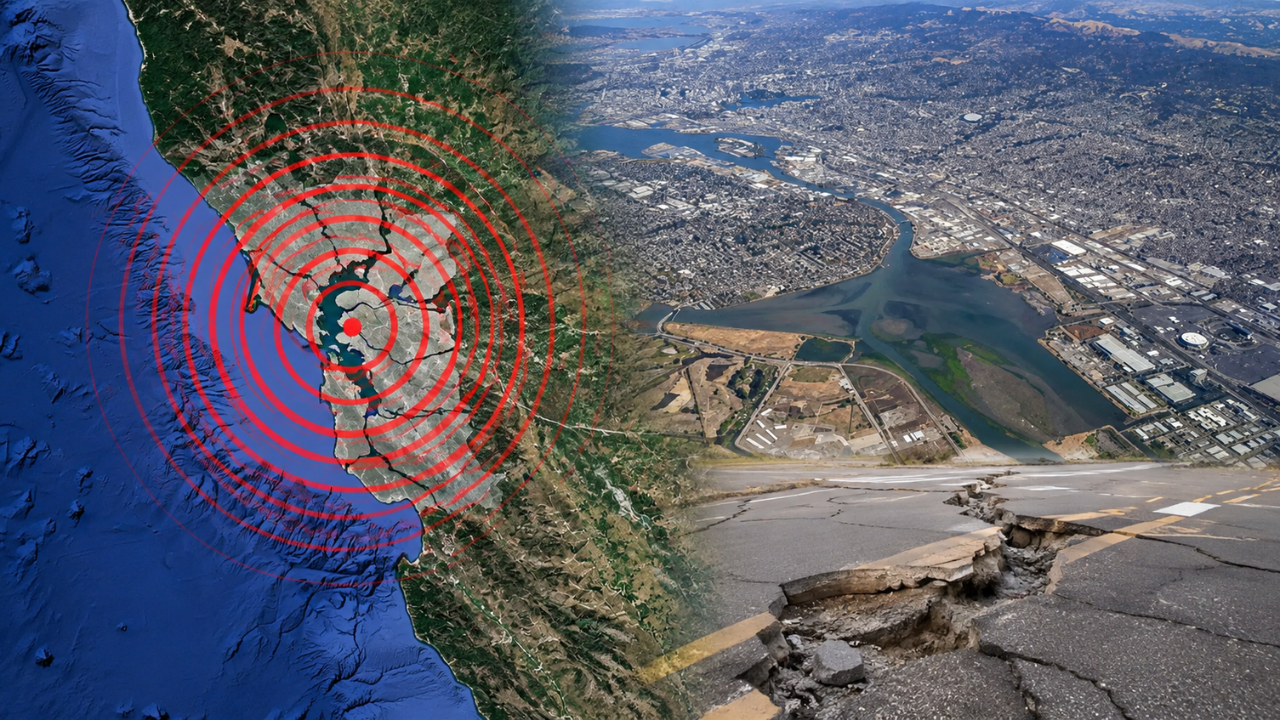
A 2.7 magnitude earthquake was recorded near San Leandro, Calif., reports said, refocusing attention on earthquake preparedness in the San Francisco Bay Area. While typically minor, such a quake was sufficient to cause some residents in nearby communities to experience light shaking and report their experiences on social media.
As is always the case with seismic events, readers are advised to check the magnitude, location and time of the earthquake with the U.S. Geological Survey (USGS) because preliminary measurements can change after further analysis.
Bay Area parts experience small quake
Early reports placed the earthquake near San Leandro in the East Bay. The active fault systems in the area (including a number of faults traversing the Bay Area) are the reason why the state of California regularly has quakes of this size.
Earthquakes below magnitude 3.0 usually cause little or no damage to buildings, but people near the epicentre may feel a slight tremor or rumbling.
No Major Damage Reported Immediately
As of this writing there have been no verified reports of significant injuries or major property damage associated with the reported earthquake.
Even small seismic events typically trigger local officials to monitor transportation networks, public utilities and infrastructure. Emergency agencies also ask residents to report hazards they see, such as damaged roads, gas leaks or fallen power lines.
Authorities may continue to assess the area as more information becomes available.
Why Small Quakes Are Important
A 2.7 magnitude earthquake is pretty weak, but it’s a reminder that California is one of the most seismically active places in the United States.
Small earthquakes aid scientists in studying fault activity and enhance their knowledge of seismic patterns. They don’t usually trigger bigger quakes but the experts watch seismic activity just in case something weird develops.
People are being asked to stay alert but not to assume that every little quake is a sign of a larger one.
It is always important to be ready for earthquakes
Emergency management agencies say families should have an emergency kit containing drinking water, nonperishable food, flashlights, batteries, medications and important documents.
Families also should talk about emergency communication plans and safe places to take cover during an earthquake. If the shaking is stronger, the “Drop, Cover, and Hold On” procedure can help reduce the risk of injury.
It is important to prepare whether or not a recent earthquake was minor or major.
Future monitoring of seismic activity
The USGS and regional seismic monitoring networks continuously monitor earthquakes across California. Preliminary earthquake information (magnitude, location, etc.) may be revised as more seismic data are analysed.
Residents should seek updates from official earthquake reporting agencies, not just from unverified posts on social media.
Small earthquakes are common across the Bay Area, but they also serve as good reminders to review emergency plans and be prepared for the next seismic event.
Sources
- USGS (U.S. Geological Survey) – Official seismic monitoring data, earthquake location and magnitude.
- California Governor’s Office of Emergency Services (Cal OES) – Information on earthquake preparedness and emergency information.
- Shake Alert – U.S. West Coast Earthquake Early Warning Information (Official)
- City of San Leandro Government – Local emergency preparedness and public safety update resources.
- Federal Emergency Management Agency (FEMA) – Information on emergency planning and suggestions for earthquake safety.