

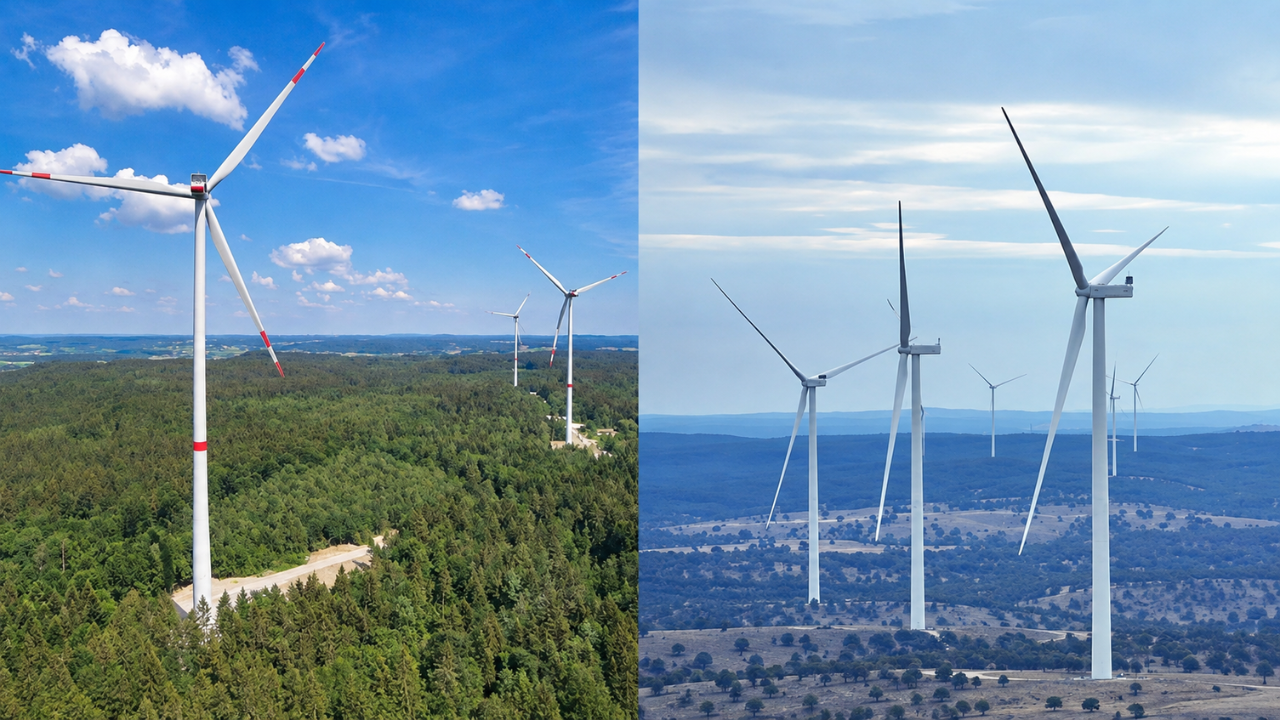
Vestas Blade Break Forces Offshore wind turbine has reportedly led to construction delays at a North Sea wind project, adding new pressure on a sector already dealing with supply-chain challenges, higher costs and demanding installation schedules. The incident has raised concerns because turbine blades are among the largest and most complicated components used in offshore wind development and any structural problem can affect installation planning for an entire project.
Vestas Blade Break Stops Offshore Construction
Work has been stopped at the affected offshore wind farm after the reported blade breakage as developers and technical teams assess what happened.
Offshore wind construction calls for careful coordination of vessel schedules, weather windows, turbine deliveries and installation crews. Specifically, one important part can delay several construction phases, especially in cases where the replacement is necessary or additional inspections are required.
How long the delay will be depends on how fast the damaged equipment can be inspected and whether precautionary inspections of similar blades are required.
Study Might Concentrate on Manufacturing and Installation
When a turbine blade fails, engineers usually consider a number of possible causes.
These may include manufacturing defects, damage during transit, installation problems, abnormal loads, material fatigue or environmental factors. They may also look at production records and information from the turbine or installation process.
One failure does not necessarily mean that a whole turbine model has a wider design problem. Manufacturers usually need detailed technical evidence to decide whether further corrective action is justified.
Tough working conditions for North Sea Projects
The North Sea is a key area for offshore wind globally but increasing capacity there can be technically challenging.
High winds, heavy seas, restricted visibility and variable weather can limit the ability of heavy-lift vessels and installation teams to work safely. These constraints imply that if appropriate weather windows are missed, delays due to equipment problems can be more significant.
“Developers also get stung by idle specialised vessels and crews.
Vestas Is Key Player in Offshore Wind
Vestas is one of the world’s largest wind turbine manufacturers and supplies equipment for projects across Europe and other markets around the world.
The company has heavily invested in larger offshore turbines that can generate more electricity with fewer machines. These next-generation systems use very long blades and advanced materials, therefore making manufacturing quality and structural reliability critical.
So any incident involving a large offshore turbine is likely to be closely observed by developers, investors, regulators and rival manufacturers.
Construction Delays Could Impact Project Schedules
Developers typically construct offshore wind farms on strict timelines because turbine installation needs to be timed with grid hookups, financing deals and power-delivery pledges.
Prolonged blade inspections or replacements could impact the project’s revised commissioning schedule.
But if the problem is confined and replacement parts are readily available, the ultimate impact might be limited. Weather delays, equipment delays are common risks, and developers typically build contingency plans into large infrastructure projects.
Offshore Wind Industry Faces Wider Cost Pressures
The incident comes amid rising material costs, expensive financing, supply-chain issues and pressure to improve project economics, facing offshore wind developers.
European governments are still pushing ahead with offshore wind as part of their energy-security and climate strategies, but developers are becoming more cautious about costs.
Sources
- Vestas – Official Wind Turbine Manufacturer, Offshore Wind & Company News
- Reuters – News on the global energy and offshore wind industry
- WindEurope – Facts on Europe’s offshore wind market, project development and industry analysis
- OffshoreWIND.biz – Offshore wind construction, turbine installation and North Sea project coverage
- European Commission – Information on EU offshore renewable energy policy and North Sea wind development