

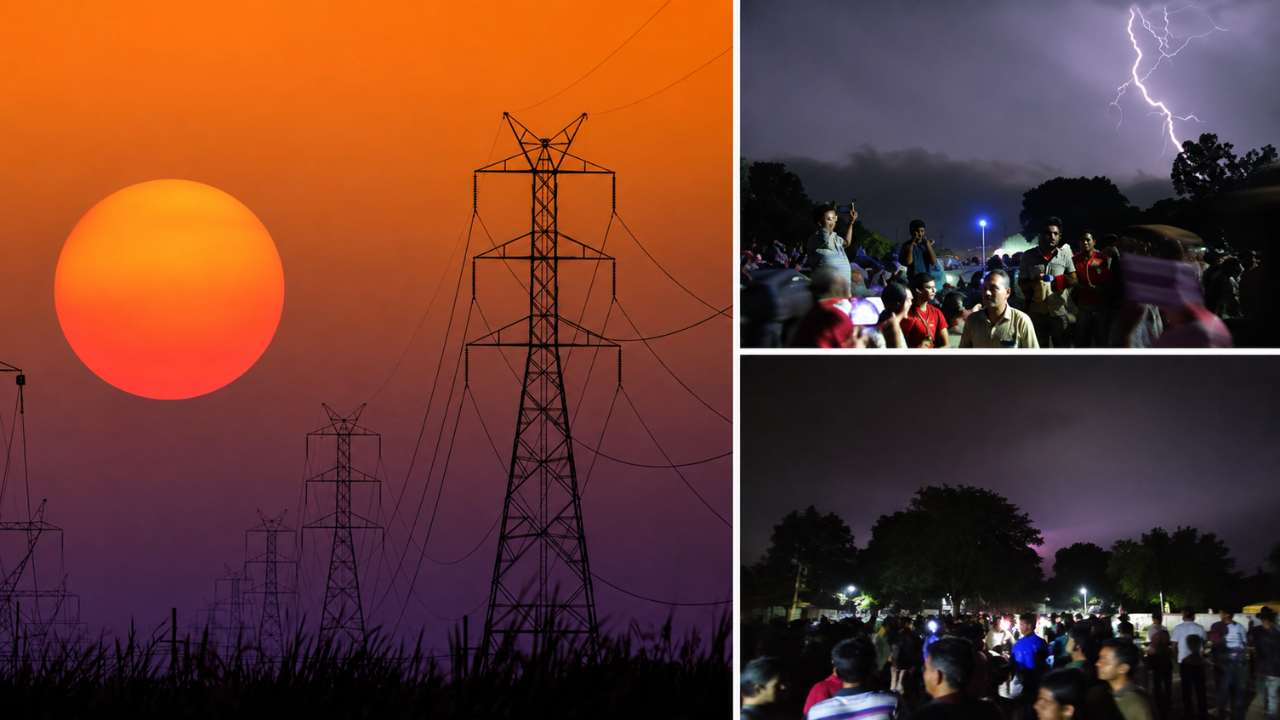
Power Outages hit parts of the United States on Tuesday, damaging trees, power lines and other electrical infrastructure, leaving more than 280,000 customers reportedly without electricity. Utility crews have been working to restore service but communities are assessing the wider impact of strong winds, heavy rain, lightning and localised severe weather. Affected residents are advised to check their local utility’s outage map for the latest information as outage totals change quickly as repairs are made and new failures are reported.
More Than 280,000 Customers Without Power
The outages highlight how quickly a powerful storm system can cause electrical outages in multiple communities.
High winds can topple trees and large branches into distribution lines. Lightning can damage transformers and substations. Crews may have to replace poles or repair multiple segments of the network before power can be safely restored in the most affected areas.
The number of residents affected could be considerably higher as the total reported is in customers, not individuals.
Tuesday’s Storms Leave Widespread Damage
Severe thunderstorms can do a lot of damage even without the presence of tornadoes.
Straight-line winds can produce damaging winds that can damage roofs, knock down trees and take out utility infrastructure. Heavy rain can cause streets to flood and slow down emergency or repair vehicles.
Communities hit with multiple hazards may take longer to recover than those that suffer isolated outages.
Utility crews begin big restoration effort
Typically, electric companies restore power by searching out the biggest failures in the system.
High-voltage transmission lines, substations, hospitals, emergency facilities and outages affecting large numbers of customers are often given priority. Crews will then move to smaller neighbourhood circuits and individual service problems.
That process means some customers could get their power back quickly, while others could be without service for much longer.
Downed Power Lines Are Still a Serious Hazard
One of the greatest dangers after severe storms is damaged electrical equipment.
Always treat a fallen wire as live, even if it appears dead. People should stay well away from downed lines and not touch trees, fences, vehicles or water that could be in contact with electrical equipment.
Residents should call their utility company or emergency authority to report damaged lines.
Extended Power Outages Pose Food Safety Concerns
A power outage lasting several hours can also create issues inside the home.
Refrigerated and frozen foods can get to unsafe temperatures, especially if refrigerator doors are opened often. The federal food-safety guidance advises keeping appliance doors closed as much as possible during an outage.
When service is restored, residents should follow official advice on whether perishable food is safe.
Generator Safety Criticality
Some households will run a portable generator during an extended outage, but improper use can be deadly.
Generators produce carbon monoxide and should never be run inside a house, basement, garage or any other enclosed area. According to manufacturer instructions these should be placed outside and away from doors and windows.
Incorrect electrical connections also pose a risk to both homeowners and utility workers repairing nearby lines.
Sources
- PowerOutage.us – Aggregated U.S. electricity outage information and utility tracking
- National Weather Service – Official severe weather warnings, storm reports and forecasts
- NOAA – Severe weather, thunderstorm, wind and lightning info
- Ready.gov – Federal Emergency and Power Outage Preparedness Guidance
- U.S. Department of Energy – Facts on electricity infrastructure, grid reliability, and large-scale outage events