

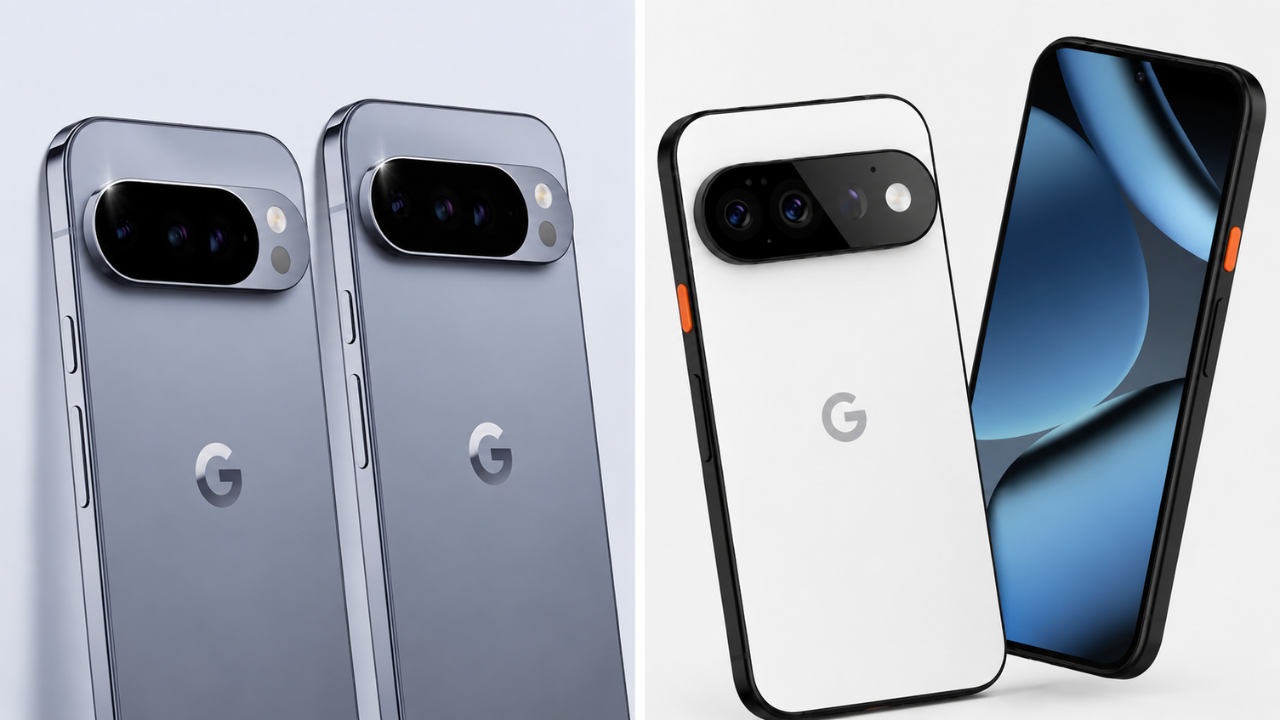
A reported benchmark leak for the Google Pixel 11 Pro XL is gaining traction, suggesting that its Tensor G6 processor might lag significantly behind the Samsung Galaxy S26 Ultra in raw performance. The leaked comparison has sparked debate because Google’s Pixel phones have always focused more on software, cameras and machine-learning features than on being at the top of the benchmark rankings. But a gap of almost 96% would raise questions about how the next Pixel flagship compares to Samsung’s most powerful Galaxy hardware.
Concerns Raised by Tensor G6 Benchmark Leak
Early benchmark leaks can offer a first look at smartphone performance, but they should be taken with a pinch of salt.
Pre-release devices may be running incomplete software, limited power profiles, engineering firmware or thermal settings that do not reflect final retail performance.
A benchmark result can look dramatically better or worse than the experience users end up having.
Galaxy S26 Ultra Could Have Huge Raw Performance Lead
Samsung’s Ultra phones typically have the best flagship processors for solid CPU and GPU performance.
If the reported comparison is correct, the Galaxy S26 Ultra could have a major advantage in workloads such as gaming, video rendering, heavy multitasking and sustained performance.
But the magnitude of that advantage depends on whether both devices were tested with the same version of the benchmark, and with similar settings.
“Google has never been about just benchmark scores.
Google’s Tensor strategy has historically been about features, not about winning the raw performance charts.
Pixel processors are built around Google’s own software priorities, from photography to voice processing to security and machine-learning workloads.
That means a Pixel can still feel fast in daily use even if its benchmark figures fall behind other competing flagship phones.
The question is whether the performance difference becomes visible when demanding real-world tasks are needed.
G6 Tensor could focus on efficiency, AI workloads
A new Tensor generation may be more focused on power efficiency, thermals and special processing vs max CPU speed.
That method can help with battery life, on-device intelligence, camera processing and sustained performance.
Many Pixel buyers may value better efficiency more than higher synthetic benchmark scores if the phone remains responsive and provides better endurance.
Gaming Performance To Be Closely Watched
One area where a significant benchmark gap could be important is gaming.
The graphics performance of high-end Android games is increasingly demanding, especially at higher frame rates and resolutions. Samsung’s Ultra line has traditionally been aimed at the premium user who wants to game hard but also have productivity features.
Google will therefore need Tensor G6 for good thermal behaviour and stable frame rates, even if it does not match Samsung’s peak benchmark numbers.
Camera and Software Might Be The Biggest Strengths Of Pixel
Pixel phones still have differentiation in computational photography and Google software integration.
On paper, a slower processor doesn’t mean a weaker camera, as image quality is heavily dependent on the software algorithms, sensor tuning and dedicated processing.
Google might also use Tensor G6 to improve on-device intelligence features like real-time photo editing, voice features, and translation.
Sources
- Google – Official Pixel hardware, Tensor processor, software, and launch info
- Samsung – Official Galaxy S-series hardware and processor specs
- Geekbench – Benchmark methodology and processor performance testing
- Android Authority – Pixel 11 Pro XL benchmarks leak, Tensor G6 performance leak
- 9to5Google – Pixel hardware and benchmark reports coverage, Google Tensor development