

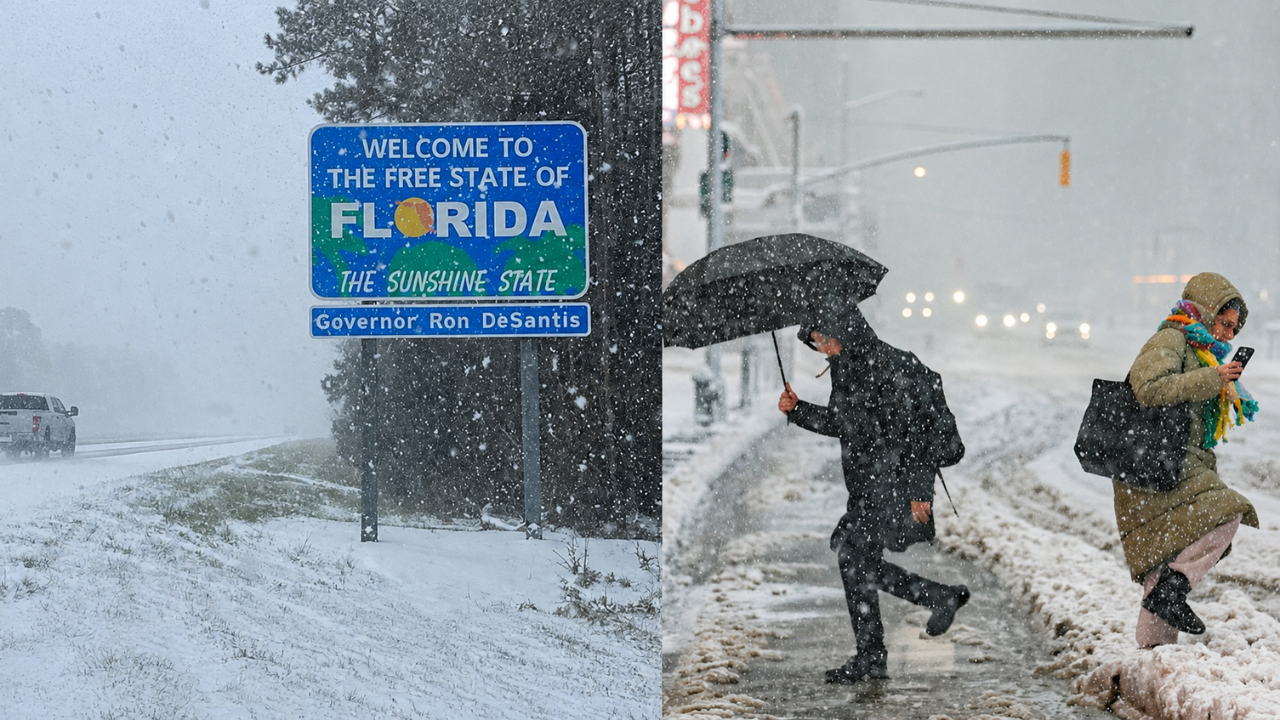
Farmers’ Almanac 2026–2027 Winter Forecast – As Americans begin to look forward to cold weather, snow and possibly disruptive winter conditions, the Farmers’ Almanack 2026–2027 winter forecast is making waves across the United States. The long-range forecast cautions some areas of the country may experience bouts of heavy cold and snow this season. But while long-range forecasts shouldn’t be treated like short-term weather predictions, the early outlook gives households, travellers, farmers and businesses another reason to start preparing before winter hits.
Farmers’ Almanack 2026-2027 Winter Forecast Predicts Colder
The Farmers’ Almanack has always issued its seasonal forecasts months in advance of winter’s official arrival, using its own forecasting methodology to describe broad weather trends across different regions of the United States.
Looking ahead to the 2026-2027 season, the outlook signals the potential for cold weather and significant snow accumulation in parts of the country. As winter approaches, Americans should read the forecasts for their local areas, as the severity of winter will vary greatly from region to region, rather than assuming all states will experience the same conditions.
Snow Might Be A Problem In Some Parts Of The United States
Snowfall is likely to continue to be one of the biggest winter headaches, especially in areas prone to big storms. The colder months often bring some of the highest risk of disruptive snow to the North-east, Midwest, Great Lakes and mountain states.
Heavy snow can cause major disruption to highways, airports, schools and electrical infrastructure. Fast-moving storms or storms combined with high winds and extremely cold temperatures can significantly disrupt even areas used to winter weather.
NOAA Gives Another Kind of Seasonal Guidance
Those Americans preparing for winter should also be on the look out for seasonal information from the National Oceanic and Atmospheric Administration. The Climate Prediction Centre at NOAA issues official seasonal outlooks for the United States based on climate models, ocean temperatures and atmospheric conditions.
They are usually based on the likelihood of above, near or below historical averages of temperature and precipitation. They don’t try to forecast individual snowstorms months in advance. As winter approaches, NOAA and the National Weather Service can provide more and more detailed information about changing conditions.
Winter weather varies a lot by region.
So a cold, snowy national headline doesn’t mean everyone is experiencing the same thing. Winter weather in the United States depends on geography, elevation, ocean conditions and changing atmospheric patterns.
Northern states may have prolonged periods of subfreezing temperatures and repeated snow events, while southern regions may be impacted by shorter cold spells, freezing rain or occasional winter storms. Western mountain regions also can experience very varied snowfall amounts depending on storm tracks and elevation.
Americans can start getting ready before winter arrives.
The National Weather Service advises “preparing for winter hazards before severe weather occurs.” Households can check their heating systems, stock up on emergency supplies and get their vehicles ready for snow, ice and freezing temperatures.
Useful supplies include blankets, flashlights, batteries, drinking water, and any medications you may need. Drivers in states that experience winter weather also need to monitor road conditions and avoid unnecessary travel if authorities issue winter storm warnings or advise people to stay off dangerous roads.
Caution in Interpreting Long Range Forecasts
Seasonal forecasts are good for identifying broad range, but specific winter storms are very difficult to predict months in advance. No seasonal forecast can tell you with any accuracy when a city will get snow or how much will fall in any one storm.
Therefore, the Farmers’ Almanack forecast should be used in conjunction with official NOAA and National Weather Service information. Forecasts issued days before a storm will provide much more precise information about snowfall, temperatures, ice and travel risks.
Sources
- Farmers’ Almanack – 2026-2027 long-range winter weather forecast and regional seasonal forecast
- NOAA Climate Prediction Centre – Seasonal Outlooks for U.S.
- National Weather Service – Winter storm watches, warnings and winter weather safety information
- NOAA National Centres for Environmental Information – U.S. Climate Averages and Historical Winter Weather Information
- The Old Farmer’s Almanack – Independent long-range seasonal weather forecasts and winter forecast coverage