

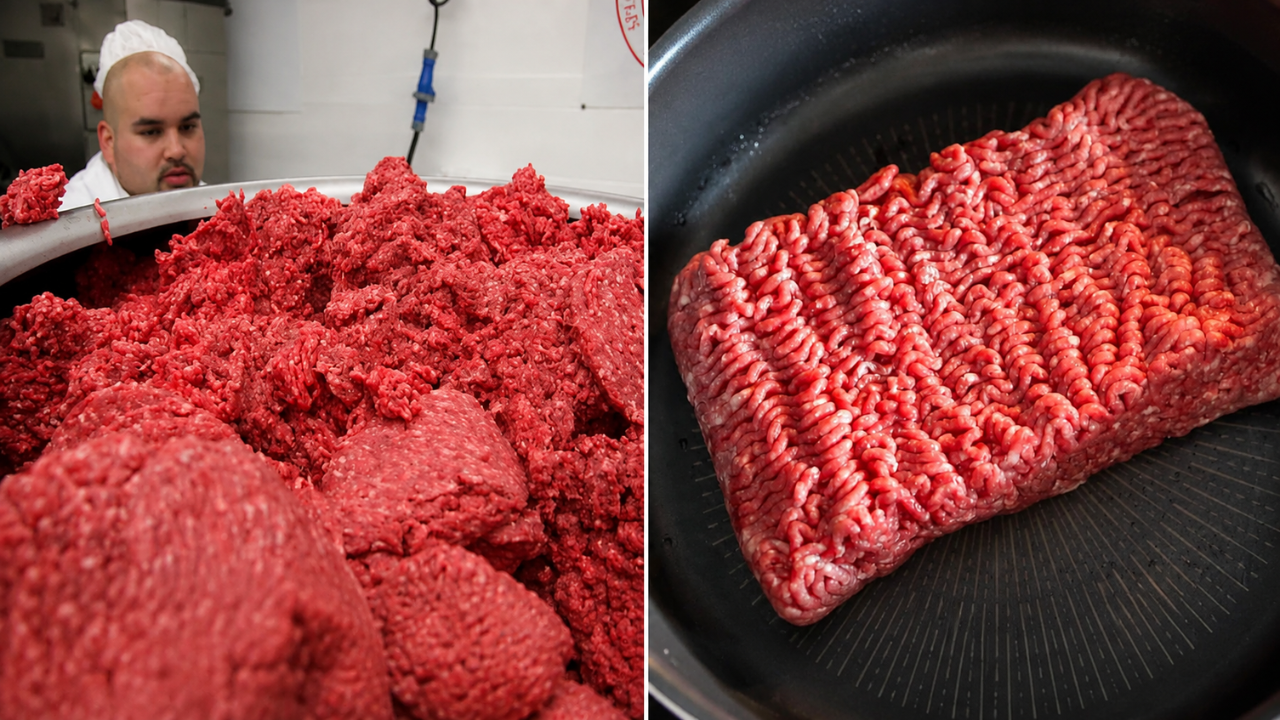
Beef Recall Hits – U.S. officials say nearly 30,000 pounds of raw beef products are being recalled because import inspection procedures required by law were not followed. The recall has sparked worries about food safety, as meat entering the country must meet federal inspection standards before it can legally enter commerce. Consumers, retailers and restaurants that may have received the affected beef are being asked to carefully review the recall information and not consume any product designated by federal authorities.
Recalled for Missed Import Inspection
Federal food-safety officials inspect meat products being shipped to the United States from abroad.
The inspections are to ensure imported beef meets U.S. standards for safety, labelling and production controls. Regulators can order a recall even if there isn’t confirmed evidence of tainted meat if a shipment hasn’t gone through required inspection procedures.
So the issue is mainly one of regulatory compliance but it does create a potential food-safety concern.
Almost 30,000 pounds of beef are affected.
The recall involves nearly 30,000 pounds of raw beef, according to the report.
That’s a lot of product and could impact a number of distributors, restaurants or food-service locations, depending on where the shipments went.
Consumers are encouraged to review official recall notices for identifying information including package labels, lot codes, production dates and establishment numbers to see if a product is affected.
USDA Inspection Rules Aim to Keep Consumers Safe
The USDA’s Food Safety and Inspection Service regulates the safety of meat, poultry and some egg products.
Imported meat must be from countries and facilities meeting U.S. requirements, and shipments are subject to reinspection at the point of entry.
Without that step, there is no mechanism for regulators to confirm the shipment has gone through the usual safeguards required before sale or distribution.
Recall May Not Require Any Illnesses
A food recall doesn’t always mean people got sick.
Regulators may issue recalls for labelling problems, undeclared allergens, contamination risks, inspection failures or other violations.
The recall can be preventive when the inspection was missed at import. The goal is to remove products from commerce before any possible risk arises.
So consumers should watch for recall notices, even if no one has reported getting sick.
Restaurants, Retailers May Be Impacted
When the recall involves raw beef and the products were distributed primarily to food-service establishments rather than directly to consumers, it can be more complicated.
Restaurants, cafeterias, wholesalers and retailers may need to check storage areas and freezers for affected cases.
Since raw beef can be frozen for long periods of time, recalled products could still be in inventory after the original shipment date.
Consumers should examine freezers closely
Anyone who may have purchased raw beef matching this recall description is urged not to cook or eat it until the product has been verified.
Consumers with beef included in the recall are advised to follow official guidance, which could include returning the product to the point of purchase or disposing of it safely.
Unsafe or poorly inspected meat may not show obvious signs of a problem, so don’t rely on appearance or smell alone.
Sources
- USDA Food Safety and Inspection Service – Official meat recall notices, inspection requirements and food-safety guidance
- U.S. Department of Agriculture – Federal Regulation of Imported Meat and Agricultural Food Products
- U.S. Customs and Border Protection – Procedures for Importing and Border Entry Requirements for Commercial Shipments
- FDA FoodSafety.gov – General consumer information on food safety and recalls
- Fox Business – Covering the near 30,000 pound beef recall and failed import inspection