

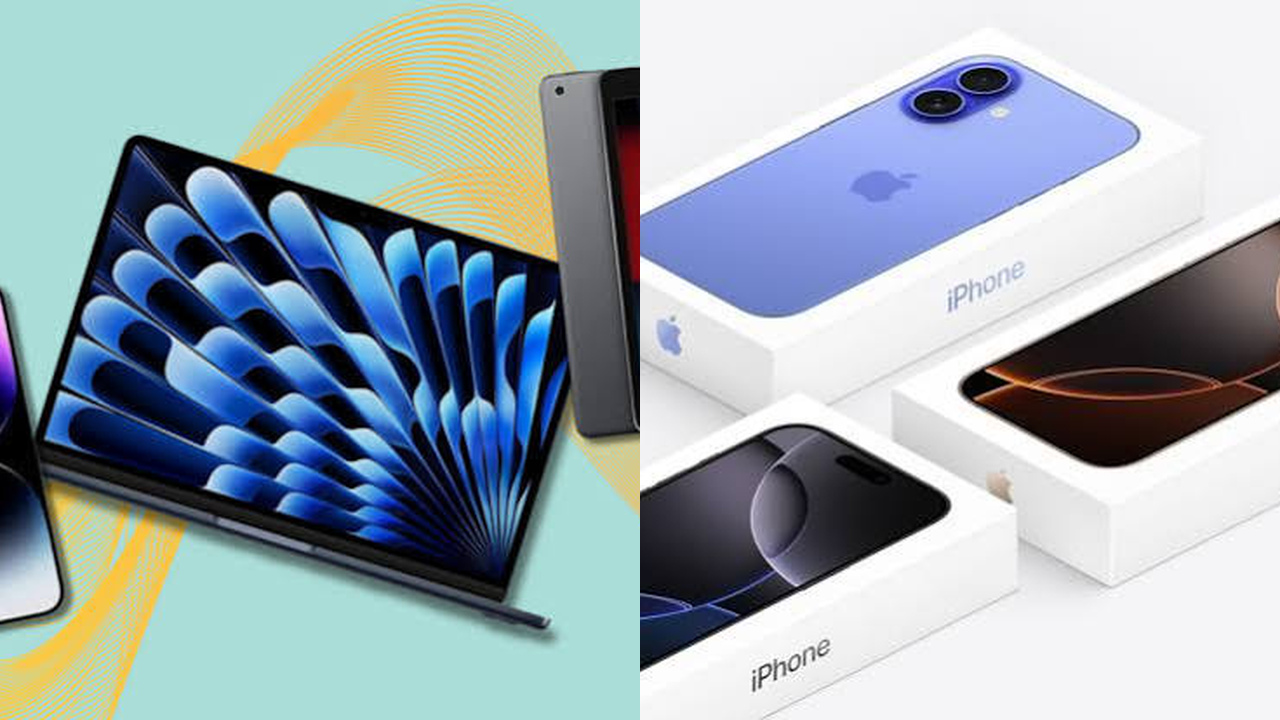
Apple Trade-In Values Increased for iPhones and Macs – Apple, heading into its next major product season, has reportedly increased trade-in values for some iPhone and Mac models. That could provide customers with more incentive to upgrade older devices ahead of new iPhones, Macs and other Apple products arriving later this year.
The announced increase in Apple’s trade-in value could be especially meaningful for those looking to trade in an older iPhone or Mac. Though the final amount will depend on model, storage, condition, region, and Apple’s inspection process, higher estimated values can lower the effective cost of a new device.
More Emphasis on iPhone Trade-In Values
iPhones are usually among the most popular devices in Apple’s trade-in programme.
Customers can trade an eligible phone for credit towards a new purchase, or in certain instances, an Apple Gift Card. If Apple has upped values on certain models, owners of newer iPhones could be offered a lot more than before.
The biggest jumps are generally most advantageous on newer devices, as they still have a relatively high resale value.
Estimates for Macs could also be higher
Trade-in prices are back to being competitive for Mac users, too.
Eligible computers including MacBook Air, MacBook Pro, iMac and Mac mini may be valued differently based on age, processor, memory, storage and condition.
Apple’s transition to its own silicon has also impacted the used Mac market. Newer Apple silicon Macs tend to stay more attractive than older Intel-based Macs thanks to better performance, efficiency and longer expected software support.
Timing More Important Than New Product Season
The timing of the reported increase is worth noting.
Apple generally releases major hardware updates in the second half of the year, so late summer and early fall are key times to upgrade. Customers sometimes start checking the value of their existing devices before they decide on pre-ordering a new model.
Better trade-in deals may entice customers to stay in Apple’s ecosystem rather than selling their devices elsewhere.
Still Value Depends on Condition
“Online amount is an approximation most of the time.
Apple may ask questions such as: Will the device turn on? Is the screen cracked? Are the major components functioning correctly? The final value may be changed after inspection if the device does not conform to the condition described at the time of original manufacture.
So customers shouldn’t assume the top advertized figure is a slam dunk.
Resale by Third Parties May Cost More
Apple’s trade-in programme is convenient, but it may not always yield the highest possible return.
If you’ve got a good device in good shape, private marketplaces, electronics resellers, carriers and specialist trade-in companies can sometimes offer you more money. The trade off is that customers could end up spending more time listing the product, talking to buyers, or comparing offers.
Apple’s advantage is its simplicity and the credit can be used directly on another purchase from Apple.
Carrier Promotions May Challenge Apple
Wireless carriers are often aggressive about upgrade deals around new iPhone launches.
These promotions can sometimes provide much higher credits than Apple’s standard trade-in values, especially when customers add a new line or sign up for a long-term installment plan.
But in practice, carrier credits tend to be spread across many monthly bills. Customers should read the full terms before assuming the offer is equivalent to immediate cash or Apple Store credit.
Sources
- Apple Trade In – Official eligibility rules, estimated values and device condition requirements.
- Apple Store – Get current pricing and trade-in options for products at checkout.
- Apple Support – How to get your iPhones and Macs ready for trade-in.
- MacRumors – Your source for Apple trade-in value changes and product timing.
- 9to5Mac – Apple hardware coverage, trade-ins, and upgrades.