
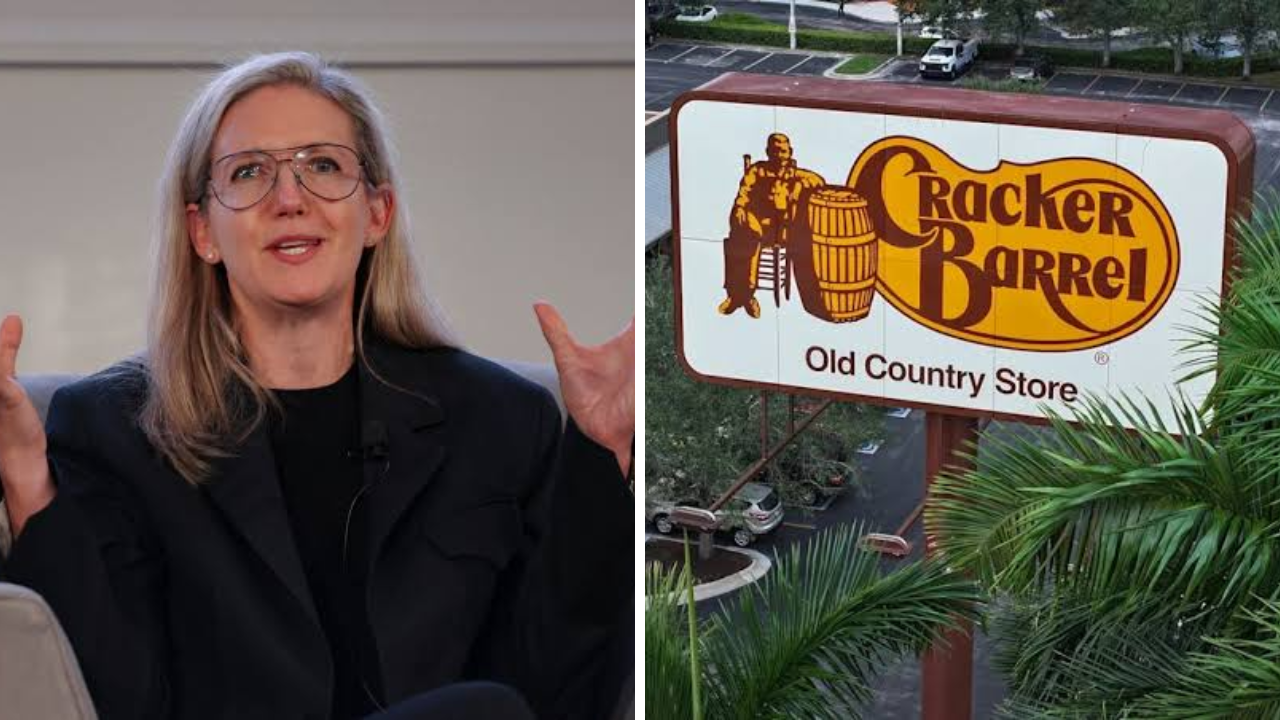
Cracker Barrel is reportedly undergoing a big shakeup and its CEO has resigned amid a controversial rebranding campaign that has come under heavy customer backlash. The reported departure is timely for the restaurant chain, which has been trying to modernise its image while still clinging to the traditional identity that has defined the brand for decades.
The exit of the Cracker Barrel CEO could put more pressure on the company’s board and senior leadership team as they try to restore customer confidence, review the rebrand strategy and stabilise the business. But the leadership shake-up and its connection to the controversy should be confirmed by official company statements and regulatory filings.
Customers Up in Arms Over Cracker Barrel’s Rebranding Flop
For years, Cracker Barrel has been the go-to place for country-style food, rustic decor, rocking chairs, gift shops and a nostalgic dining experience. Any major alteration to that identity would probably catch the eye of loyal customers.
The rebrand was said to include new restaurant designs, changes to visual branding and a bigger push to attract younger diners. Modernisation can help an established company to reach new audiences but it can also cause concern amongst long-time customers who feel that familiar features are taken away.
The online criticism seemed to centre on whether the company was getting too far from its roots.
CEO departure raises questions about strategy
When a chief executive departs under fire, investors and customers frequently wonder if the company will stay on its course.
If Cracker Barrel confirms the resignation, it could name an interim leader as it searches for a permanent replacement. The board may also consider planned restaurant renovations, marketing campaigns, menu changes and brand positioning.
Leadership changes can bring uncertainty, but they also give a company a chance to change course and respond more directly to customer feedback.
The heart of the brand remains loyal customers
Cracker Barrel’s main customers are diners and they want a feeling of familiarity and consistency. For these customers the brand is more than a restaurant, it is a larger travel and family tradition.
It’s that emotional bond that makes it so hard to rebrand. Even slight adjustments to logos, interiors, menus or store layouts can seem like a big deal when customers have accumulated memories and long-standing routines tied to the brand.
Now the company must show that modernisation does not mean losing what made Cracker Barrel special.
The Pitfalls of Renaming Well-Known Companies
Many legacy brands reinvent themselves to stay relevant, but the process needs to be carefully managed. Successful rebrands tend to keep some recognisable elements and add new features gradually.
Rapid or poorly explained change can confuse customers, and dilute loyalty. There is also the danger that companies will invest heavily in new designs and marketing but not get the sales increase they were hoping for.
Cracker Barrel’s reported experience is just another reminder of why companies need to test big changes and communicate clearly before messing with a well-known identity.
Investors will be watching the company’s next moves.
The announced CEO departure may have more than customer sentiment impact. Investors will likely keep an eye on restaurant traffic, sales trends, renovation costs and forward earnings guidance.
If the company has seen a decline in the customer traffic or the brand image due to the rebranding, it may want to reconsider its growth strategy. Or it could be pushed to be more about food quality, value, service and operational performance rather than visual changes.
A clear succession plan from the board would help remove uncertainty about who will be at the helm of the company and where it is headed over the long term.
Cracker Barrel May Rethink Rebranding Components
That customer backlash doesn’t always mean companies have to scrap a rebrand altogether. Or they may retain some of the upgrades but revert to popular traditional features.
Cracker Barrel could decide to stick with its revised operating plans and tweak decor, messaging or design elements that drew the most criticism. Those decisions may be based on customer surveys, sales data and input from restaurant workers.
How the company responds will determine whether its leadership believes the controversy is a temporary PR problem, or whether it is a signal that the strategy needs a more fundamental overhaul.
Sources
- Cracker Barrel Investor Relations – Official news on leadership, financial reports, executive changes and updates on company strategy.
- U.S. Securities and Exchange Commission – Filings on executive departures, board decisions and material corporate developments.
- Cracker Barrel Newsroom – Official Releases – Brand, restaurant renovations, customer initiatives and leadership changes.
- Reuters – Up-to-the-minute news on CEO hires, restaurant trends and market reactions.
- AP – Business Business news, company announcements and consumer reaction to big-brand moves.
- Restaurant Business – Changes in restaurant industry rebranding, executives, customer traffic and operational strategy.