
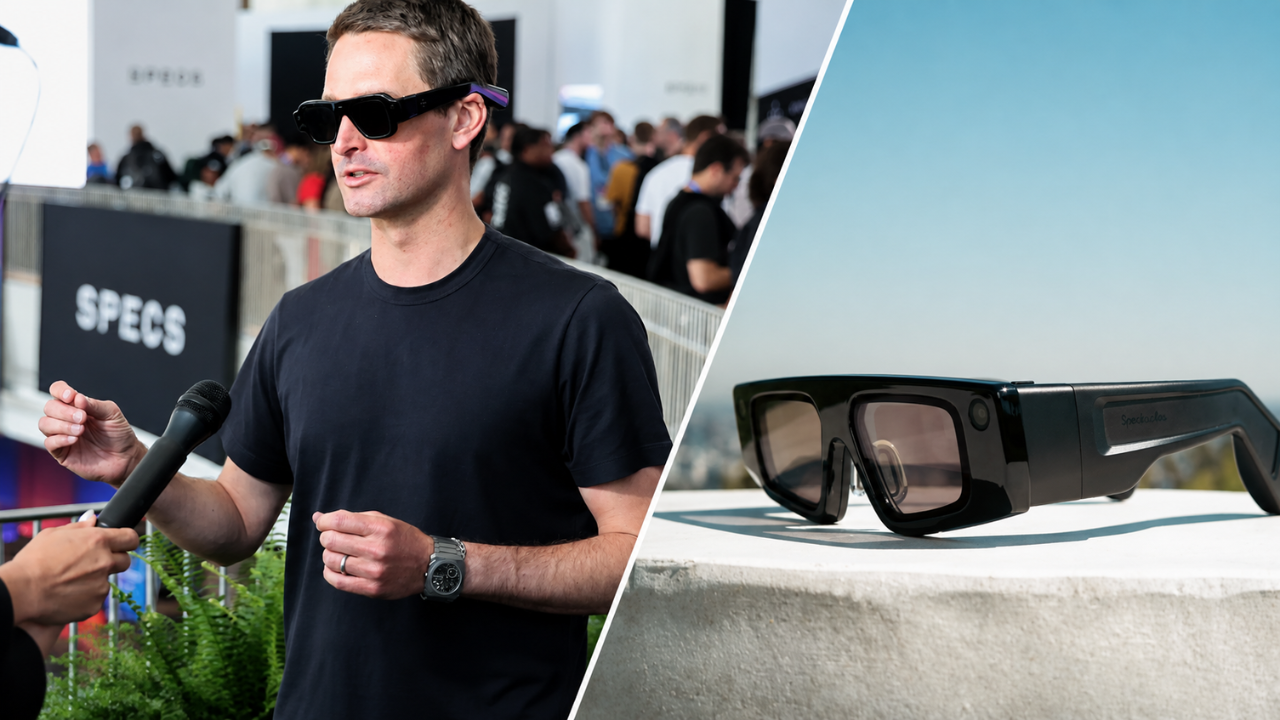
Snap is preparing for a major launch event on September 16, when the company is expected to unveil a new generation of augmented reality glasses. The next wearable could feature better displays, smarter software, improved cameras and closer ties to Snapchat’s growing ecosystem of AR experiences.
The planned Snap AR Specs launch event will likely be a significant milestone in the company’s long-term quest to embed augmented reality into everyday life. Snap still has to confirm final specs, pricing, availability and the official product name.
New Hardware May Be Announced At September Event
The event on Sept. 16 is expected to be heavy on wearable tech.
Snap has been working on camera-equipped glasses and experimental AR devices for years through its Spectacles product line. Previous products were often targeted at creators and developers, rather than the average consumer.
There could be a push to get a bit closer to a more mainstream commercial release with improvements in comfort, battery life, display quality and daily utility.
New displays could improve augmented reality
One of the most significant upgrades expected is the visual experience.
When AR glasses superimpose digital objects on the real world, they should not cause the picture to be blurred or uncomfortable. A wider field of view might enable users to view larger virtual objects, and improved brightness could make content easier to see outdoors.
It could also cut down on visual distortion, and make digital objects more stable as the wearer moves.
Cameras and Sensors May Become Smarter
Future AR Specs could feature enhanced cameras, environmental sensors.
The components could enable the glasses to comprehend rooms, recognise surfaces, track hand movements and identify nearby objects. Improved tracking would allow virtual objects to behave more naturally in physical environments.
For example a digital character can appear to stand on a real table, or navigation arrows can remain properly aligned along a street.
Expected Hand and Voice Control
Simple controls are required for wearable devices as users cannot depend solely on a phone screen.
Snap could also add more precise hand tracking, letting people choose virtual buttons or gestures to move things around. The same voice commands could help users open apps, record things, send messages or ask for information.
Their success will depend on how well these features perform in noisy areas, low light and crowded environments.
Snapchat Integration Could Be Key
The new wearable will probably be heavily integrated with Snapchat.
Users could take first-person pictures and videos, superimpose AR Lenses, chat with friends and share content via the eyewear. Creators may also receive new tools to build interactive effects that respond to real-world locations and objects.
This link could give Snap an edge, since the company already has a massive community familiar with augmented reality.
Battery life is still a big problem
Power consumption is one of the biggest problems with AR glasses.
Displays, cameras, wireless links, sensors and AI processing all take a lot of power. Lighter design may be more comfortable but then there is less room for a bigger battery.
Snap needs to strike a balance between performance and real-world usage time. Such short-lived devices may remain restricted to demonstration and development projects.
Sources
- Snap Newsroom – Official Information, Product Details and Company Updates.
- Snap Developer Platform – AR software tools, Lens Studio information and developer access.
- Snapchat Official Channels -Product demos & feature announcements
- The Verge – Reporting on and analysing wearable technology.
- TechCrunch – Snap business news, launch coverage, and augmented reality news.