
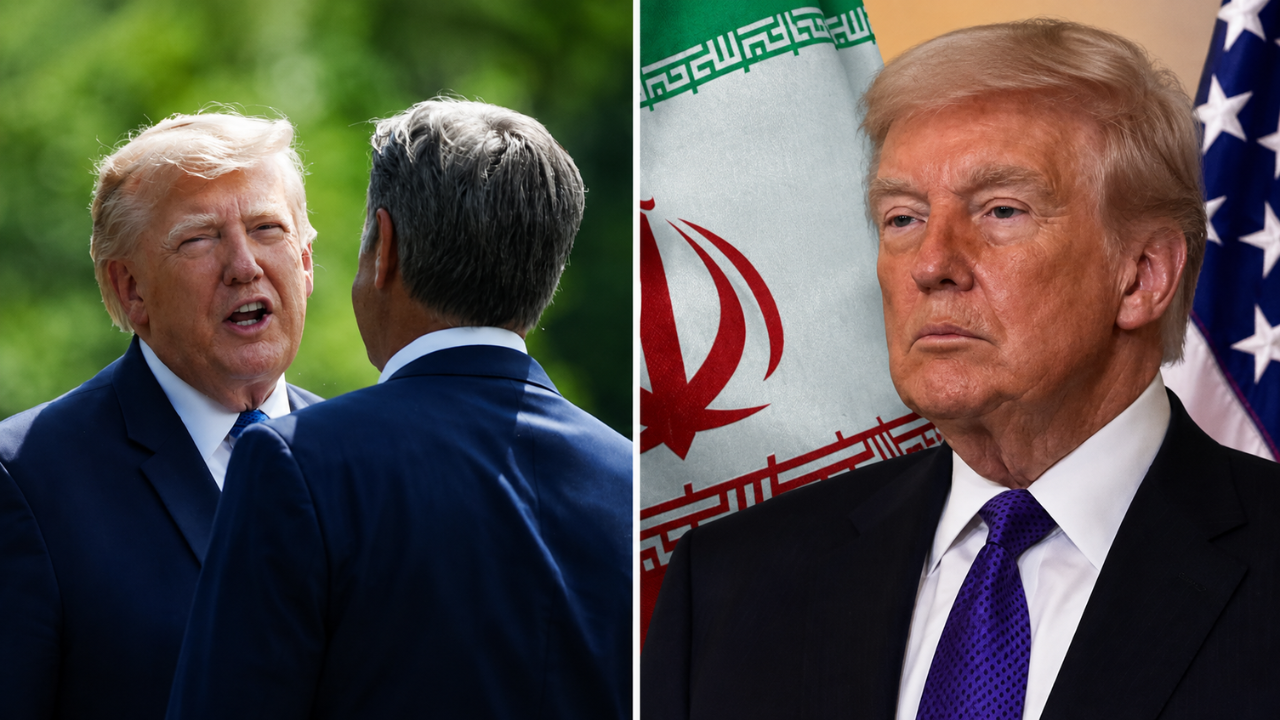
Tensions between the US-Iran war are dangerously high as President Donald Trump reportedly suggests planned or threatened strikes may be called off if a diplomatic deal is struck. Cautious hopes have been raised that negotiations could still avert a wider conflict, but the situation is fluid and could change rapidly.
Across the Middle East, governments, financial markets, military analysts and civilians are closely watching the latest US-Iran war live updates. Any decision on strikes, negotiations or sanctions could have huge implications for regional security, oil prices, shipping routes and the Washington-Tehran relationship.
Trump suggests deal is possible
Trump’s reported remarks indicate that military action may not be inevitable.
The administration seems to be trying to keep military pressure and diplomacy on the same track, tying possible strikes to progress in negotiations. The aim may be to push Iran into a deal without getting sucked into an expensive, unpredictable war.
Yet the precise terms of any deal are unknown.
Iran under increasing pressure
Iran is under intense political, economic and military pressure as tensions escalate with the United States.
Washington may wish to impose restrictions on Iran’s nuclear programme, missile activity or support for armed groups in the region. Tehran, for its part, will probably seek sanction relief and guarantees that any deal will be honoured.
It will be hard for both sides to compromise without appearing weak to their domestic audiences.
Region on alert as military prepares
Military forces in the region might remain on high alert while diplomatic options are being considered.
The U.S. has bases, warships, aircraft and troops scattered throughout the Middle East. Iran also has regional allies and military capabilities that could respond if strikes happened.”
This creates a real danger that even a limited attack could trigger retaliation and wider escalation.
Oil Markets Monitor Every Development
The war has huge implications for global energy markets.
Iran is close to the Strait of Hormuz, one of the world’s most critical oil shipping routes. Any disruption to tanker traffic could send the price of crude oil and fuel prices soaring worldwide.
So traders are reacting to not just actual military actions but also statements, threats, and diplomatic signals.
Israel, Gulf Nations Monitor Talks
Regional governments are closely monitoring prospects for a US-Iran deal.
Iran’s nuclear and missile programmes have long been regarded as serious security threats by Israel. Gulf states may also worry about attacks on energy sites, shipping and military bases.
Dozens of regional leaders would rather negotiate than have a lengthy conflict that could hurt economies and threaten civilian populations.
A Deal Would Necessitate Difficult Compromises
An agreement would likely be the result of complex negotiations.
Possible topics include uranium enrichment, international inspections, relief from sanctions, missile restrictions, and regional military activity. Every release carries political risks for both Washington and Tehran.
A temporary halt to the strikes would not mean the broader dispute had been settled.
Sources
- White House – Official statements by the US government.
- U.S. Department of Defence – Confirmed military deployments and operations.
- Iranian Foreign Ministry – Tehran’s Official Stance of Diplomacy
- Reuters – International breaking news coverage.
- Associated Press – Confirmed politics and war coverage.
- BBC News – World, Analysis and local updates.